
 English

Views: 0 Author: Site Editor Publish Time: 2025-12-22 Origin: Site


Choosing the right tool cabinets isn’t just about how much you pay. A high price tag might impress, but it doesn’t always deliver the durability, functionality, and long‑term value that a well‑designed cabinet should provide. In this article, we dive deep into what truly matters when evaluating tool cabinets — focusing on quality, practicality, adaptability, and total cost of ownership. Whether you’re outfitting a small home‑garage or a busy professional workshop, these real‑value standards will help you judge whether a cabinet is worth your investment.
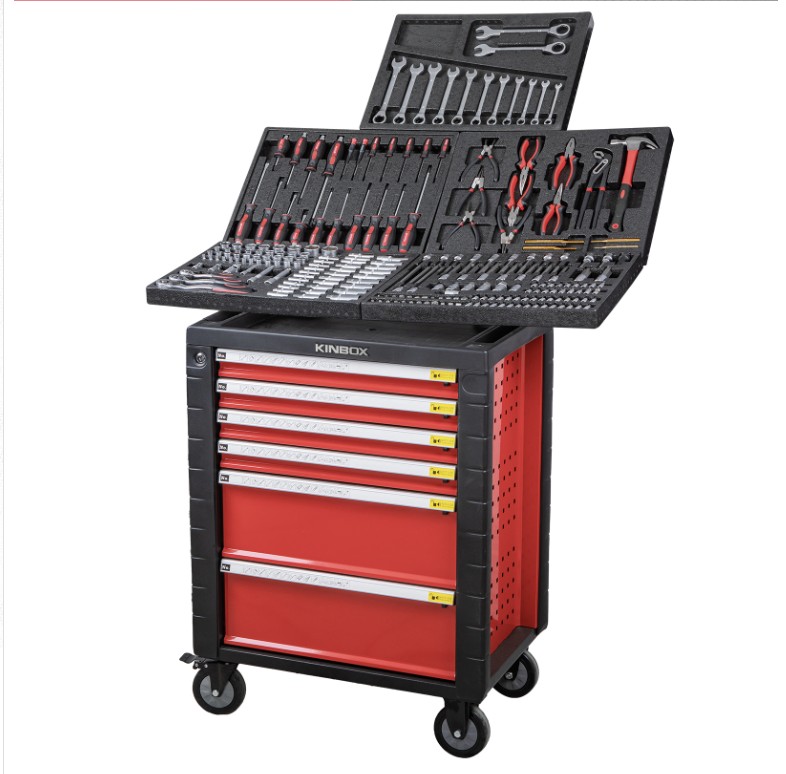
Many buyers assume that a more expensive cabinet automatically means better quality. But price often reflects brand name, marketing, or extra features that don’t necessarily add real value for everyday use. A high cost can mask weaknesses: thin metal, weak drawers, poor ergonomics, or over‑sized units you don’t really need.
Relying solely on price can lead to:
Paying more for unnecessary features.
Owning a cabinet that doesn’t match actual tool storage needs.
Overpaying for brand prestige rather than functional benefit.
Higher long‑term maintenance or replacement costs if quality is poor.
Therefore, a smarter approach is to evaluate tool cabinets on a set of core standards — not just price — that deliver real utility, durability, and efficiency.
When assessing tool cabinets, consider the following critical factors. These define true value beyond sticker price:
Cabinets built with heavy-gauge steel (e.g., 16–18 gauge) provide greater durability, resistance to dents, and long-term stability. Thin steel or low-quality aluminium may feel light — but sag or warp with repeated use.
Proper welding and rolled / beveled edges not only improve safety (no sharp edges) but reflect better workmanship.
A robust powder‑coated or corrosion‑resistant finish helps resist rust and wear, essential for workshops exposed to humidity, oil, or dirt.
A good tool cabinet should store your tools in a useful, ergonomic way:
| Feature | Why It Matters |
|---|---|
| Mixed-depth drawers (shallow + deep) | Allows small hand tools and large power tools to be stored properly — flexibility for varied tool types. |
| Full-extension, ball-bearing slides, ≥ 50 lb+ rating per drawer | Smooth drawer action prevents jamming or tilting when loaded — critical for heavy tools and frequent use. |
| Modular or adjustable shelves/dividers | Permits customizing storage layout as your tool set evolves or needs change. |
| Reinforced drawer bottoms and cabinet frame | Prevents sagging or structural failure when storing heavy items long-term. |
A value‑oriented tool cabinet should not compromise on security or safety:
Lockable drawers or central locking system – protects tools from unauthorized access, theft, or accidental spillage.
Solid, stable base or anchoring provisions – prevents tipping when drawers are opened, especially with heavy loads. A wide base or ability to anchor to the wall/floor adds safety.
High-quality casters (if mobile) – if the cabinet is on wheels, they should be heavy-duty and lockable to ensure it stays put when in use.
Before purchase, assess your actual requirements — the number, size, and type of tools you own — and match the cabinet accordingly. Oversized cabinets may offer more space, but if you only have a modest tool collection, they can waste space and cost more.
Good value often comes from right‑sizing: cabinet dimensions, drawer count, and internal layout that suit your current and near-future needs (allowing some room for growth).
A well‑designed tool cabinet should make your work easier:
Smooth drawer action and ergonomic reach — minimizes strain, maximizes speed in retrieving tools.
Organizational features — labeling, dividers, compartments or foam inserts to keep tools sorted, easy to find, and less likely to get lost or damaged.
Flexibility & adaptability — as your tool collection or workflow changes, being able to reconfigure drawers or shelves keeps the cabinet useful longer.
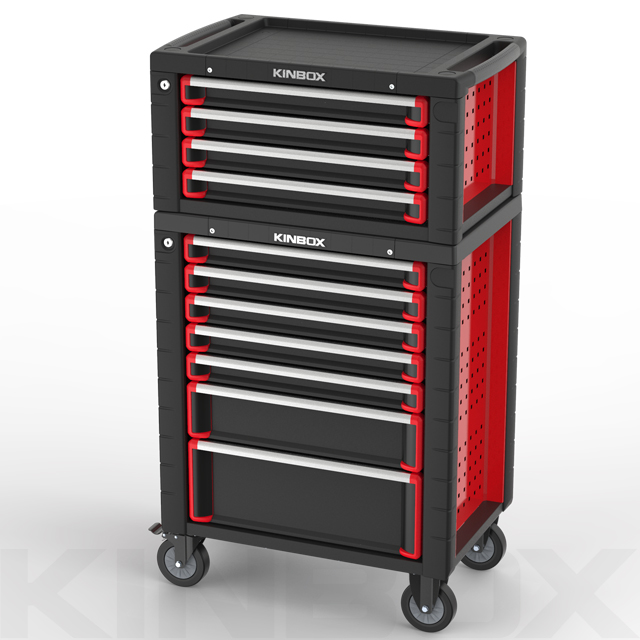
Recent industry‑wide analyses and expert buying guides highlight a few interesting data points that reinforce the real‑value approach to tool cabinets:
Cabinets optimized with intelligent drawer and shelf configurations can achieve up to 30% higher storage efficiency compared to generic flat‑shelf cabinets.
Cabinets with high-drawer‑count, modular internal layout reportedly reduce tool retrieval time by ≈ 40%, improving workflow efficiency significantly.
For workshop professionals, elements such as ball-bearing slides, powder‑coated steel, and secure locking systems are considered far more valuable than brand labels — offering better long-term reliability than many high-priced, brand-name-only alternatives.
These findings suggest that when well‑specified, even mid‑range cabinets can outperform expensive models in storage efficiency, tool accessibility, and durability.
Here’s a simplified comparison to illustrate how different levels of tool cabinets stack up when evaluated by value‑oriented criteria (not price alone):
| Cabinet Tier | Typical Price Range | What You Get (by Price) | What Really Matters (by Value) |
|---|---|---|---|
| Entry‑Level / Budget | Low / Cheapest | Basic storage — thin metal, shallow drawers, minimal features | Often insufficient build quality, limited load capacity, can wear quickly |
| Mid-Range / Value | Moderate | Steel or aluminum build, mixed drawers, ball‑bearing slides, locking, moderate capacity | Balanced: durability, storage capacity, functionality, long service life — high value for money |
| Premium / Brand-name | High | Heavy gauge steel, deep drawers, top‑end slides, large capacity, extra features (lights, power strip, heavy casters) | Can deliver great value — but often includes features you may not use; overall marginal value gain vs mid‑range if usage is moderate |
| “Luxury / Overbuilt” | Very High | Full workshop‑grade chest, oversized capacity, all bells‑and‑whistles | High upfront cost; may exceed actual needs, low cost-efficiency unless fully utilized regularly |
Bottom line: mid‑range, well‑specified tool cabinets often offer the best value per dollar spent, especially for small to mid‑sized workshops or general maintenance shops.
Modern tool cabinets are shifting toward modular design — interchangeable drawers, adjustable shelves, modular inserts, and customizable internal layouts. This trend benefits users whose tool sets evolve over time.
A modular cabinet can adapt as tools are added, changed, or reorganized — meaning you won’t need to replace the entire cabinet just because your needs change.
Increased awareness of workplace ergonomics means cabinet manufacturers are designing drawers, handles, and storage layouts for faster, safer tool access. Features like full-extension drawers, smooth ball-bearing slides, well-placed handles, and balanced drawer load capacities contribute directly to less fatigue and higher productivity.
Buyers are increasingly prioritizing value — not price. Instead of paying for brand names or oversized cabinets, more people focus on right-sizing cabinet capacity, ensuring build quality, and choosing only needed features. This aligns with cost-effective workshop management and lean storage philosophy.
Newer cabinets come with features like lockable wheels, reinforced casters, security locks or latching drawers, and modular configuration options — combining mobility, safety, and adaptability, making them a practical choice for dynamic shops or shared workplaces.
Before you decide on a tool cabinet purchase, run through this checklist. It will help you assess real‑value rather than just price or marketing hype:
List your actual needs — what tools you own now; what you might add in 1–3 years; where the cabinet will be placed; and how mobile it needs to be.
Check material & build quality — look for heavy‑gauge steel, clean welds, proper finish, rounded/rolled edges.
Inspect drawer slides & capacity — full‑extension ball‑bearing slides, load rating per drawer (≥ 50 lb ideally), smooth glide even under load.
Confirm storage layout & flexibility — mixed drawer depths, adjustable shelves/dividers or modular inserts, room for future expansion.
Evaluate security and safety — lockable drawers, stable base / wall‑anchoring options, stable when fully loaded or opened.
Match size & capacity to actual use — avoid over‑sized cabinets if not needed; right‑size to avoid wasted space and cost.
Consider ergonomics and workflow efficiency — drawer accessibility, smooth motion, logical layout, easy to organize and retrieve tools.
Plan for maintenance and longevity — powder‑coated finish, rust resistance, replaceable parts (casters, slides), easy cleaning.
Assess total cost of ownership (TCO) — not just purchase price, but expected lifespan, maintenance costs, efficiency gains, and potential resale value.
Flexibility & adaptability for change — modular design, adjustable configurations, mobility if needed.
A tool cabinet that checks most (if not all) of the boxes above is likely high‑value — regardless of whether it was expensive or budget‑priced.
A good tool cabinet doesn’t require a fat wallet — it requires smart evaluation. By focusing on core quality, real-world functionality, and adaptability rather than brand or price, you can get a storage solution that lasts, performs, and supports workflow for years.
Mid‑range cabinets often represent the sweet spot: balanced steel construction, practical drawer design, security, flexibility, and the potential for long-term use without overpaying. Premium or expensive cabinets may offer extra features, but those only deliver value if you fully utilize them.
When you buy with real‑value standards — material quality, build integrity, practical storage design, security, and right sizing — you’ll likely end up with a cabinet that serves you far longer and more reliably than an overpriced but poorly matched “luxury” model.
Q1: Is a higher price always a guarantee of better tool cabinet quality?
A1: No — price often reflects brand name or extra features that may not add real value. What matters is build quality, materials, drawer design, load capacity, and how well the cabinet meets your actual needs.
Q2: How do I know if a cabinet’s drawers are strong enough for heavy tools?
A2: Look for ball‑bearing drawer slides, full‑extension rails, and a rated load capacity (ideally 50+ lbs per drawer). Drawers should glide smoothly even when loaded.
Q3: Should I get a mobile (rolling) cabinet or a stationary one?
A3: It depends on your workflow. Mobile cabinets offer flexibility and mobility for dynamic workspaces, while stationary cabinets are more stable and better for heavy-duty storage — choose based on your tool volume and movement needs.
Q4: How important is adjustable shelving or modular design in a tool cabinet?
A4: Very important — adjustable shelves or modular interiors allow you to reconfigure storage as your tool collection grows or changes, extending the cabinet’s useful life and preventing wasted space.
Q5: What’s the best way to balance cost and value when buying a tool cabinet?
A5: Focus on the features that matter — material quality, drawer strength, security, suitability for your tool set — rather than paying extra for brand or unnecessary extras. A mid-range cabinet well matched to your needs often offers the best value for money.



