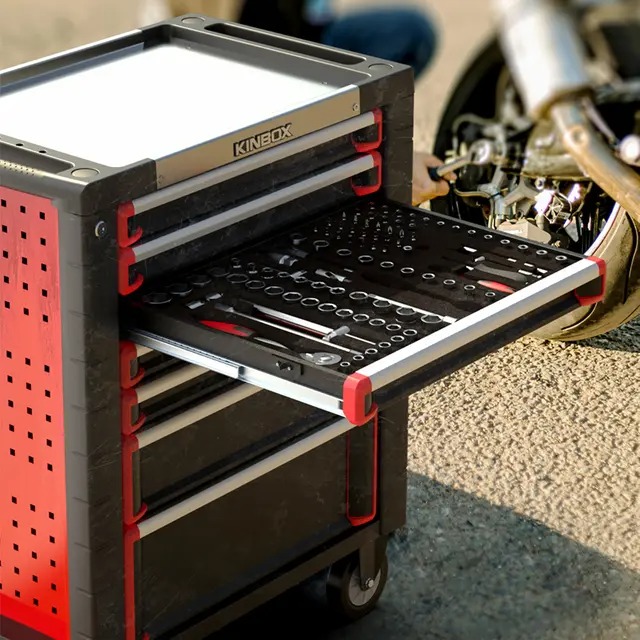
Choosing between a 72-inch and 84-inch tool cabinet sounds like a simple space question. In practice, the extra foot of width can affect where the cabinet fits, how much worktop space you get, how the drawers are arranged, and whether you can move it easily through your shop.
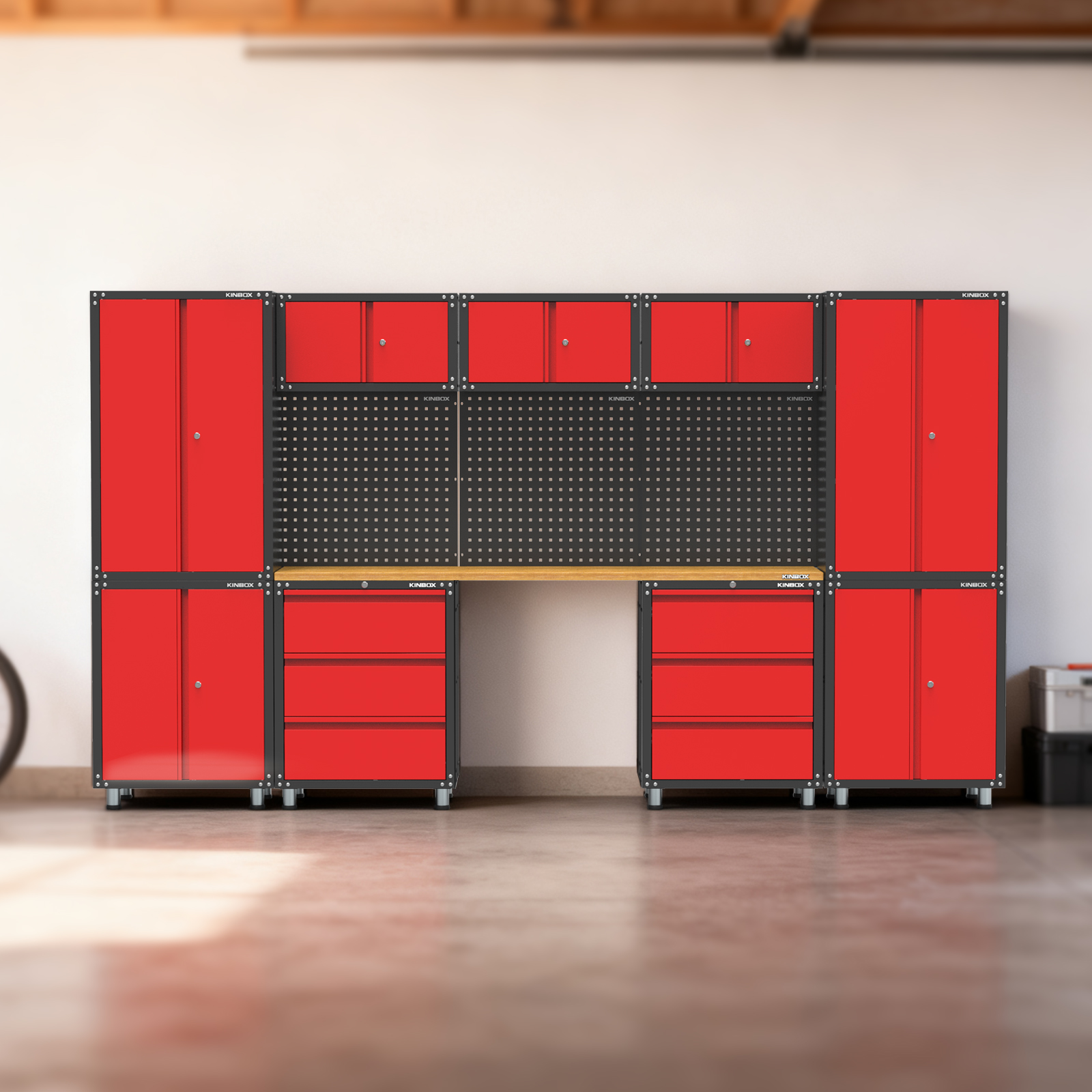
When you're comparing tool cabinets, the structure can affect more than how the cabinet ships. It can change how much assembly is required, how easily you can expand a storage setup, and what your team needs to consider before putting the cabinet into service.
A tool cabinet can have the right drawer layout and still be frustrating to move if its casters do not match the load or the shop floor. Maybe it rolls smoothly when empty but feels tough to push once it is stocked. Or it moves easily, but will not stay put when someone opens a drawer.
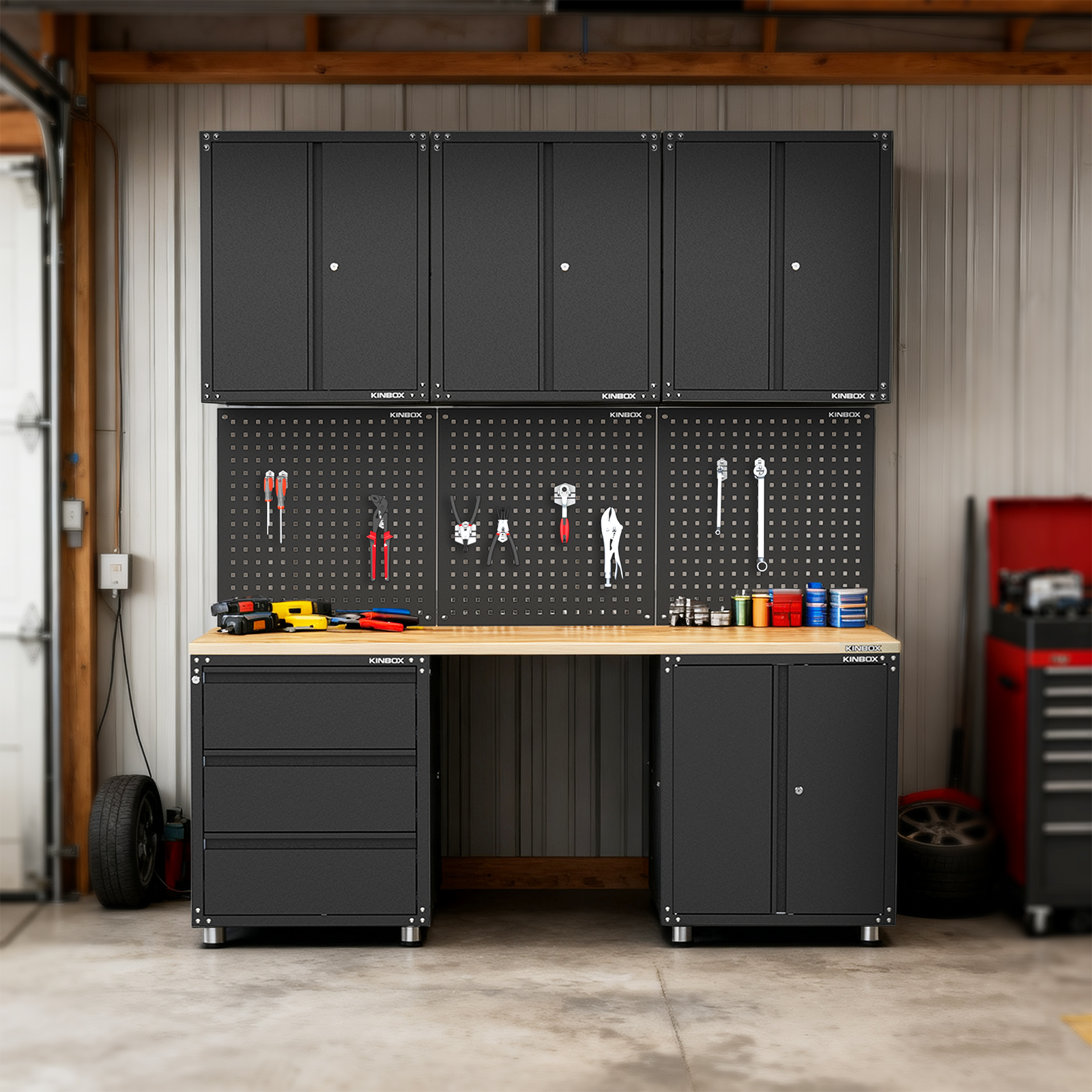
Choosing a tool cabinet is not just about counting drawers or picking the widest model. The layout has to work with the tools your team uses, the space available in your shop, and the way people move through their jobs.
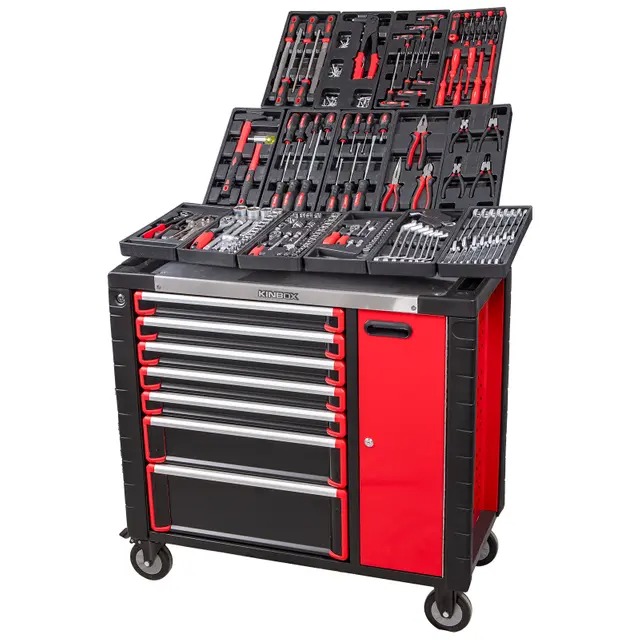
Buying a tool cabinet sounds simple until you have to decide what should actually go inside it. Should you order a complete cabinet with tools already organized in the drawers, or buy an empty cabinet and fill it with your own equipment?

 English