
 English

Views: 0 Author: Site Editor Publish Time: 2026-02-18 Origin: Site


At its simplest, a base tool box is a sturdy, permanent storage solution for tools — bigger, stronger, and more organized than a typical hand‑held tool box. In many workshops and garages, what people call a “tool box” can also refer to larger systems made of metal with multiple drawers and compartments designed to store tools efficiently and keep them protected. These larger cabinets are sometimes called “roller cabinets” or “base boxes” because they sit on the floor and serve as the foundation of your tool storage setup.
Traditionally, tool boxes (in the broad sense) are used to organize, carry, and protect collections of tools for all kinds of work — from automotive repairs to home DIY tasks. But when we talk about a base tool box, we’re usually referring to that larger, stationary (or wheeled) unit that serves as the core of your garage storage — a reliable home for your toolset.
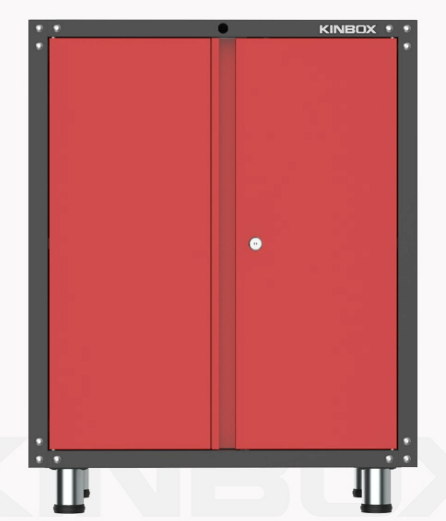
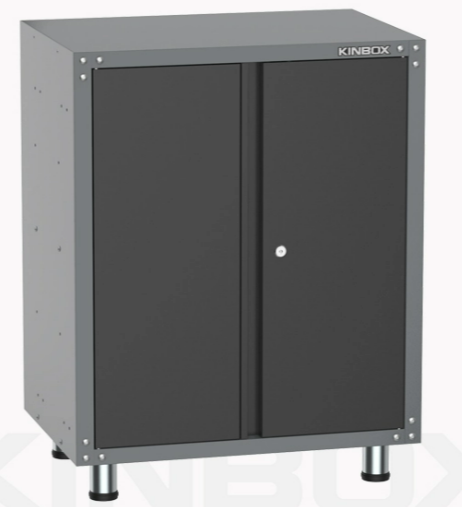
If you’re like me and enjoy taking on projects in your garage — whether it’s fixing up an old bike or tuning up a car — here’s why a base tool box becomes an almost essential part of your setup:
One of the biggest advantages of proper tool storage is organization. A base tool box lets you sort hand tools, power tools, fasteners, and accessories in a way that makes sense — no more digging through random drawers or stacking boxes that topple over. A structured setup helps you spend less time searching and more time working.
Tools are expensive — we all know that. A solid tool box protects against moisture, dust, and bumps that might occur when tools are left exposed in a cluttered garage. A good tool box also often comes with lockable drawers, which helps keep everything safe.
A base tool box doesn’t stand alone — it’s typically part of a larger garage storage unit system. Think of it as the heart of your workshop: it provides a solid foundation, under‑bench placement, and supports organizational modules like shelves, pegboards, and cabinets around it.
One big challenge in home garages is clutter. Without proper storage, tools can spread everywhere and make your space look chaotic — even small garages start to feel cramped. A base tool box helps centralize your tools, leaving more floor and wall space free.
Before choosing a base tool box, it helps to understand what’s out there and what features matter the most:
These units are designed to stay in one place — usually under a bench or against a wall. They often offer lots of drawer space and a solid surface you can use for folding things or resting tools.
If you need flexibility to move your tools around the garage as you work, rolling cabinets are ideal. These serve the same base‑box purpose, but with casters so you can roll them where needed.
Some setups combine a lower cabinet with a tool chest on top for even more organization. This is great if your collection grows over time and you want extra drawers without having to replace your whole system.
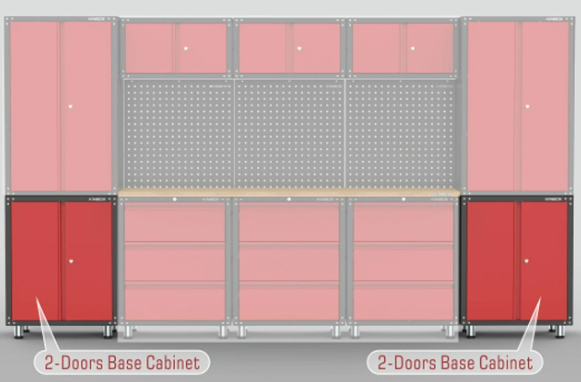
Picking a base tool box isn’t just about buying the biggest one you can find. To make a smart choice, consider these key aspects:
Take inventory of what you own now — sockets, ratchets, hammers, power tools, specialty gear — and think ahead. If you plan to add more tools over time, choose a base tool box that has room to grow.
Steel cabinets with quality drawer slides tend to last longer and handle heavier loads better than cheap plastic bins. These also help protect the tools inside from wear and tear.
Smooth‑sliding drawers and different depth levels let you organize tools logically — small slots for precision tools, deep drawers for power tools, and so on. Good design simply makes your work easier.
If you move around a lot as you work, mobility is handy. But if your garage setup is fixed and heavy tools stay put, a stable base tool box without wheels might suit you better.
For many home mechanics, a base tool box is just one component of a larger setup. Here’s how to make the most of it:
Position your base tool box right under your workbench. This way, tools are accessible on demand while you work on projects that require both hands.
Pegboards and wall racks give you visual access to frequently used tools and help reduce clutter. Pairing these with your base box creates a balanced storage system.
Label shelves for screws, lubricants, cleaning supplies, and power tool accessories. These can live above or beside your base tool box — keeping everything in one organized zone.
It’s not enough to have a tool box — you need to keep it well organized to get the most benefit:
Assign Categories to Drawers: Group similar tools together — sockets, pliers, screwdrivers — so you always know where things are.
Label Each Drawer Clearly: Never underestimate the clarity labels bring. Even if you think you’ll remember, a label saves time and confusion.
Return Tools After Use: Establish a habit of placing tools back in their designated spot after each project.
Use Liners: Drawer liners help prevent tools from shifting and make cleanup easier.
In short, a base tool box is not just another garage accessory — it’s a strategic investment in your workflow, organization, and tool care. Especially when paired with a comprehensive garage storage unit, it transforms your workspace from a cluttered mess into a well‑oiled machine.
For those ready to step up their workshop game, exploring high‑quality storage solutions from trusted manufacturers like Kinbox Tools can make all the difference. With sturdy materials, smart design, and options to suit varied tool collections, these base tool boxes help mechanics — whether beginners or experienced — stay organized and efficient.
1. What is a base tool box used for?
A base tool box serves as a central storage system for organizing, protecting, and accessing tools in a home garage or workshop. It often forms the foundation of a larger garage storage setup.
2. How does a base tool box improve garage efficiency?
By keeping tools sorted, easy to find, and protected from damage, a base tool box saves time on projects and reduces clutter in your workspace.
3. Should I choose a rolling or stationary base tool box?
If you move tools frequently while working, a rolling base tool box adds flexibility. If your workspace is fixed, a stationary unit might offer greater stability.
4. Can a base tool box integrate with other storage units?
Absolutely — base tool boxes can be combined with overhead cabinets, pegboards, and shelving to build a complete garage storage unit tailored to your needs.
5. How do I keep my base tool box organized long‑term?
Use categories, label drawers, return tools after use, and consider drawer liners — these habits and accessories help maintain order over time.



