
 English


Why a Garage Storage System Matters
A cluttered garage can make even simple tasks harder than they need to be. Tools misplaced or piled together not only waste time when you need them — they can also get damaged or lost altogether. A garage storage system helps you reduce clutter, protect your tools, and build a safe, accessible, and efficient workspace. Studies and guides on garage organization stress that proper tool storage not only enhances tidiness but dramatically improves overall garage functionality, productivity, and safety.
Step 1: Clear and Plan Your Space
Before adding storage components, it’s crucial to start with a clean slate:
Declutter First
Empty your garage or workshop area to get a clear view of what you actually own. Sort items into categories like tools, outdoor gear, seasonal items, and things you no longer use. This process helps you determine what storage solutions you really need.
Take Garage Measurements
Measure your garage’s width, height, and any awkward areas (around utilities, doors, and windows). Understanding the dimensions helps you design a system that makes the most of your space without obstructing walkways or door openings.
Step 2: Organize by Zone
A well‑designed garage storage system often divides space into “zones” based on function:
Mechanical & Tool Zone
Set aside space for tool cabinets and workstations. Tools used frequently for automotive work, woodworking, or repairs should be kept close to your main workbench.
Outdoor & Garden Zone
Long‑handled tools and seasonal equipment (lawnmowers, hoses, shovels) should have their own area, ideally along a wall or in tall storage cabinets.
Hobby & Miscellaneous Zone
Items like sports gear, camping equipment, or seasonal decorations belong here — segregated from your tool storage to reduce clutter.
Step 3: Choose the Right Garage Storage Components
Below are the main building blocks of an efficient garage storage system:
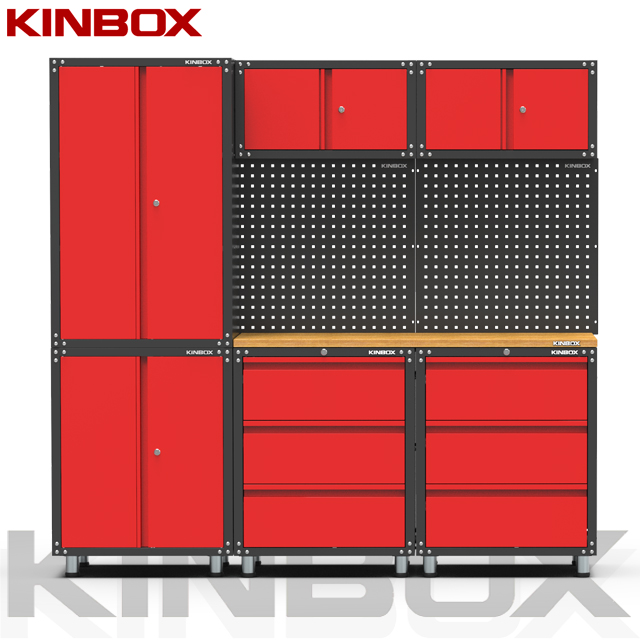
Tool Cabinets and Modular Systems
Heavy‑duty cabinets with multiple drawers or compartments are essential for protecting tools and keeping them organized by type or frequency of use. These systems often include:
Adjustable shelves and drawers
Lockable doors for security
Powder‑coated metal surfaces for durability
Cabinet systems can be modular, letting you expand or reconfigure layouts as your tool collection grows.
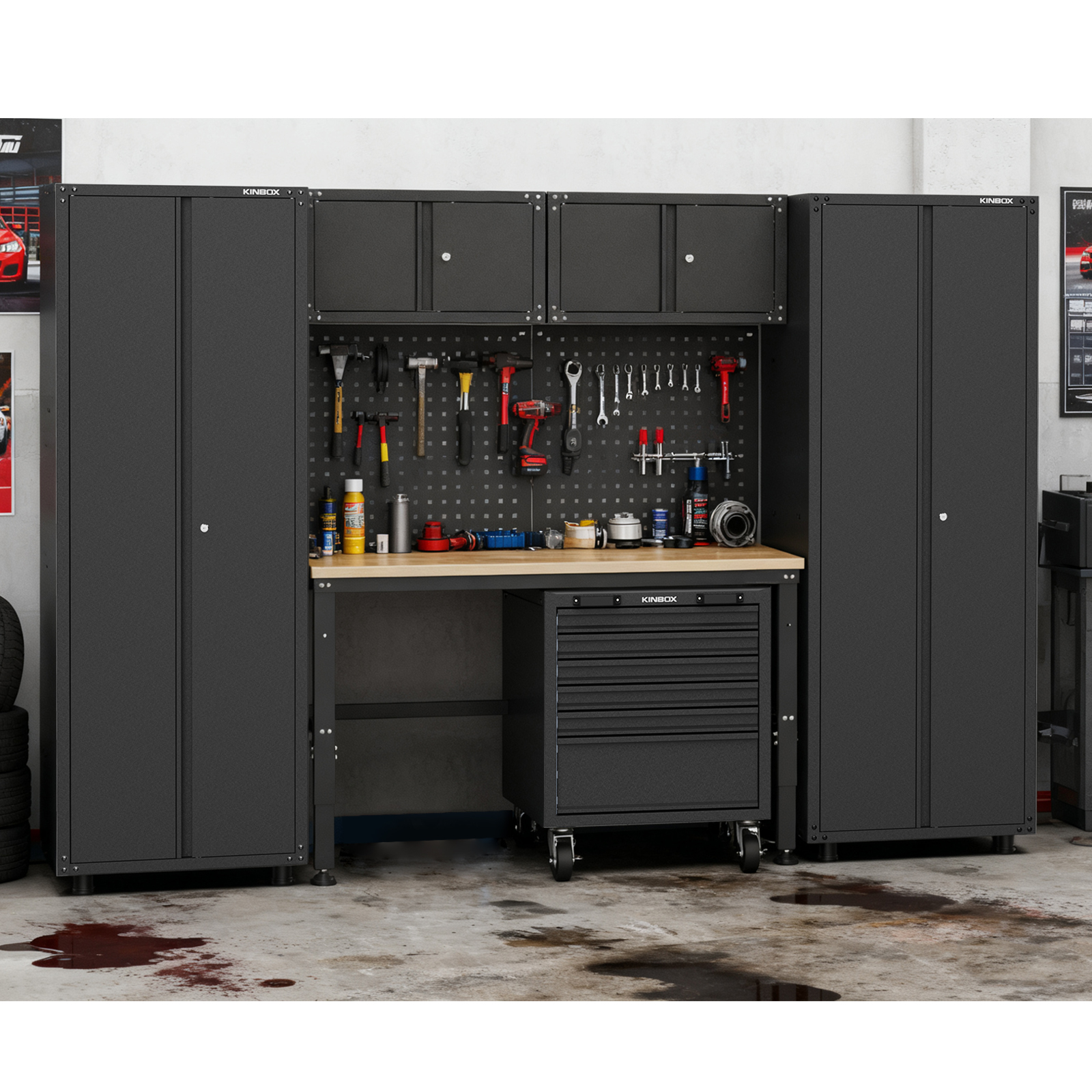
Wall Storage and Pegboards
Walls are valuable real estate in a garage. Mounting pegboards, slatwalls, or tool racks keeps tools visible and accessible while freeing up floor space. Pegboards especially are ideal for smaller hand tools like screwdrivers, pliers, and wrenches.
Shelving and Open Storage
Shelving is perfect for large containers, seasonal gear, or heavy power tools. Choose strong, adjustable shelving that can accommodate different item sizes and weights.
Vertical and Overhead Storage
Utilizing vertical space makes your garage far more efficient. Magnetic strips, ceiling racks, slatwall panels, and overhead shelves allow you to store items off the ground — perfect for freeing space around your main work area.
Step 4: Organize Tools for Efficiency
Having storage solutions is one thing — keeping tools organized is another. Here are practical ways to ensure your garage storage system stays efficient:
Group Tools by Category
Frequently used tools should be kept together in easily accessible drawers or wall mounts. Group them by type (e.g., sockets, wrenches, power tools) for quicker retrieval during tasks.
Use Drawer Dividers & Pegboard Outlines
Drawer organizers and pegboard silhouettes help you assign specific spaces for each tool, making it immediately clear where it belongs and helping you maintain order over time.
Label Everything
Clear labels on drawers, shelves, and containers make it easier to both find and return tools to their proper place — reducing lost tools and clutter.
Step 5: Incorporate Safety and Practicality
A good garage storage system also considers safety and daily use:
Avoid Overloading Shelves
Always follow weight limits for shelving units to prevent accidents or unstable storage. Overloaded racks can become dangerous and compromise your entire system.
Store Hazardous Materials Safely
Keep paints, solvents, and other chemicals in locked cabinets or high shelves away from children and pets.
Keep Floor Space Clear
Keeping items off the floor makes walking safer, prevents tripping hazards, and helps you quickly find and retrieve tools, especially in a busy workshop.
Maintenance Tips for Long‑Term Organization
Even the best garage storage system needs regular upkeep:
Revisit your layout seasonally: Rearrange items based on changing needs or tool usage frequency.
Declutter annually: Get rid of tools you no longer use to prevent buildup.
Check for wear: Dust, rust, or loose hardware can degrade both your tools and your storage system over time.
Conclusion
An efficient garage storage system transforms a cluttered space into a functional and enjoyable workshop. By planning carefully, choosing the right cabinets and storage components, organizing tools properly, and maintaining your system regularly, you can maximize your space and make every project more seamless and satisfying.
Whether you’re building a system from scratch or upgrading an existing setup, the goal is the same: tools should be easy to find, protected from damage, and stored in a way that supports your workflow and safety. And with the right combination of cabinets, wall storage, shelving, and organization solutions, your garage can become a space you’re proud to work in — day after day.
To truly make the most of your garage storage system, choosing high‑quality components matters. Kinbox Tools offers durable and customizable garage storage solutions — from modular cabinets and tool chests to complete garage storage system units designed for both home mechanics and professional workshops. Kinbox provides reliable support and tailored options to match your needs.
FAQ
1. What is a garage storage system?
A garage storage system refers to an organized set of solutions — including cabinets, shelves, wall storage, and racks — designed to store and organize tools and equipment effectively.
2. How do I start building one?
Begin by decluttering your space, measuring the area, and planning zones based on how you use your tools and belongings.
3. Why are tool cabinets important?
Tool cabinets protect tools from damage, reduce clutter, and make tools easier to access during projects.
4. Can wall storage help?
Yes — pegboards, slatwalls, and wall racks help utilize vertical space and keep frequently used tools visible and accessible.
5. What safety tips should I follow?
Avoid overloading shelves, store hazardous materials securely, and keep the floor clear to prevent accidents.



