
 English

Views: 0 Author: Site Editor Publish Time: 2026-01-23 Origin: Site


Honestly, figuring out the right size for a garage storage cabinet might seem like a small part of organizing your garage, but it really matters more than most people think. You know that feeling when you buy something that seems like it “should fit,” but then it’s either too big, blocks your car, or too small and doesn’t solve your storage problem? Yeah, that’s exactly why sizing matters so much with garage cabinets. Choosing the wrong cabinet size can turn a promising storage idea into a cluttered mess or even make daily garage use a nuisance.
Garage storage cabinets do more than just hide your clutter — they help define how you use your space and how everything relates to each other once the cabinets are installed. They determine how easy it is to reach tools, how much floor space you’ll have left for your car or workspace, and how functional your storage actually becomes. So if you want a garage that’s more organized — and way more efficient to use — thinking through cabinet size is a key first step, not an afterthought.
This article breaks down everything from measuring your space correctly, matching cabinet size to your storage needs, avoiding common mistakes, and coming up with a practical plan before you buy anything. It’s like a full DIY guide for anyone looking to make their garage actually work for them — without awkward surprises down the road.
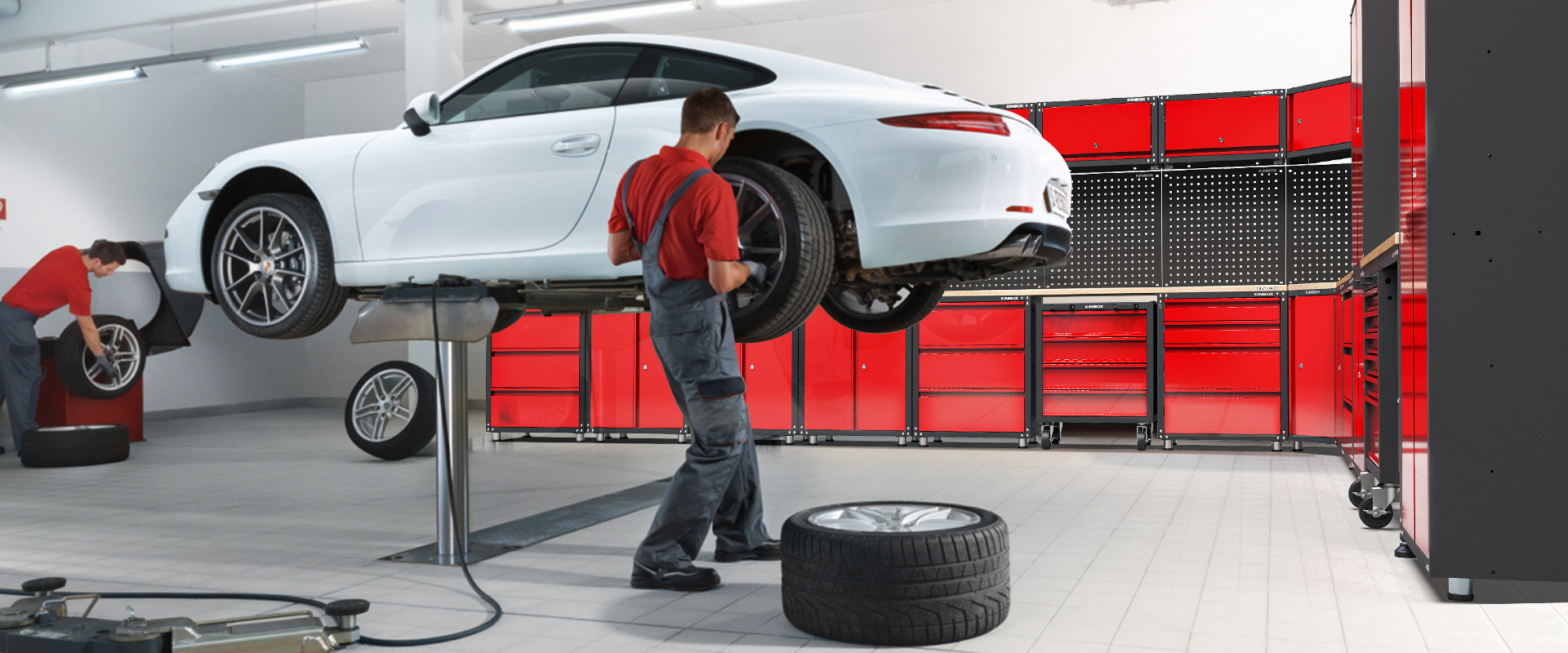
Before you even start thinking about cabinet styles, colors, or how cool it might look, you have to know exactly how much space you have to work with. Pull out a tape measure and start noting down measurements like wall width, door openings, and any windows or outlets that might get in the way. It’s tempting to eyeball this stuff, but a few inches off can make a big difference once cabinets are delivered and ready to install. Professional cabinet guides always start with measuring height, width, and floor space because that ultimately dictates what can be installed.
Make sure you factor in obstacles like door handles, light switches, HVAC ducts, and even things like wall pipes or water spigots that stick out. These seemingly small details can prevent a cabinet from sitting flush against the wall or block clearance when you open doors or drawers later.
You also want to think about what happens once the cabinets are in place. It’s not just about the wall they sit against — you need enough room in front of them as well. For example, if your garage is narrow and you place cabinets along the back wall, will their doors or drawers still open far enough without blocking access to your car, bicycle, or other gear? Some storage guides emphasize leaving enough aisle space in front of cabinets so the doors can open fully without you having to move your vehicle.
If your cabinets are too deep for the space you have, you might find yourself bumping into them every time you walk by. On the flip side, if they’re too shallow, you’ll end up stacking stuff around them anyway because they can’t hold the gear you bought them for in the first place.
Vertical space is super important. Too often people measure wall width and forget to fully account for what’s above their heads. Before picking a cabinet size, make sure you have a good sense of how high your ceiling is and whether there are any overhead obstructions like lighting fixtures or ductwork. Some garages have beams or pipes that hang lower than you’d expect, and that can limit how tall your cabinets can be.
While we won’t give specific numbers here, most experts recommend noting ceiling height alongside wall width so you don’t end up with cabinets that are technically tall enough but can’t be installed because of overhead features. In other words: get all your garage dimensions before making a purchase.
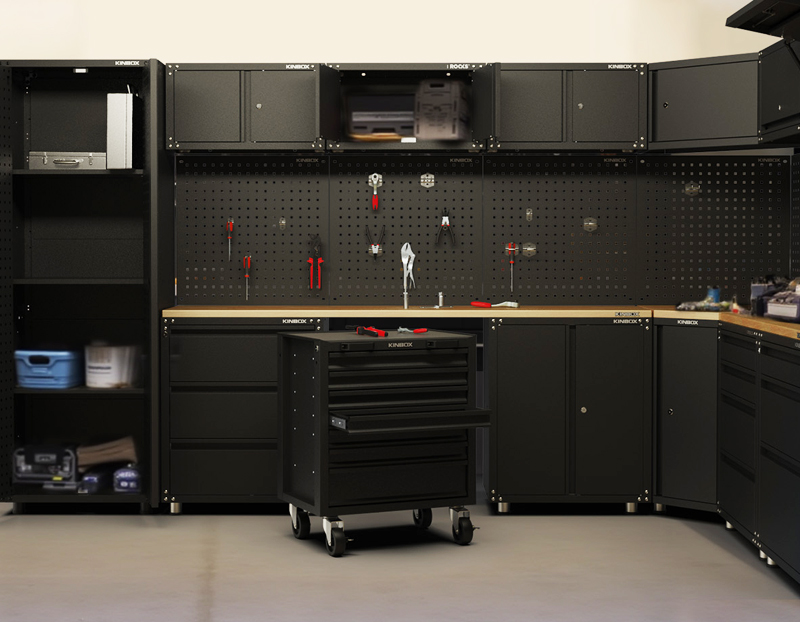
Before you even think about cabinet depth or width, ask yourself what the cabinets are for. Are you storing tools you use weekly? Or are you saving space for holiday decorations that only come down once a year? Do you have gardening supplies, sports gear, or camping equipment?
Your answers to these questions should guide how you size your cabinets. Frequent use items should live where they’re easy to reach, and bulky seasonal gear can live in cabinets that might be harder to get to but offer more volume. Guides on garage cabinet buying often emphasize analyzing what you’re storing as a key factor in picking the right cabinets.
Power tools, tool chests, and other large equipment require not just space but cabinets that are built to handle them. If your storage needs include heavy or oversized gear, a standard shallow cabinet won’t cut it. Instead, you want cabinets designed with sturdy construction and enough depth and width to hold your gear without cramming it. Many buying guides highlight that tools and heavier items need storage that isn’t just deeper, but built to support weight and keep everything accessible.
Think through how you use the space: Is your garage also a workshop? Do you need easy access to things like drills, saws, or sanding gear? Stuff you use regularly might benefit from being in cabinets that keep items at eye level or just below, rather than up high where you’ll need a stool every time.
Not everything in your garage fits nicely into a uniform box or shelf. Some items are awkward — like long extension cords, fishing rods, bicycles, or even paint buckets. You’ll want storage solutions that let you separate these unique items instead of forcing them into a cabinet they don’t fit, which defeats the purpose of buying the cabinet in the first place.
A lot of people mix and match — for example, taller cabinets with adjustable shelving for big items and smaller cubbies for everyday tools, which gives them a combo of capacity and accessibility. Adjustable shelves even let you rearrange based on the sizes of what you own.
One of the trickiest parts about choosing cabinet size is balancing depth with accessibility. If a cabinet is too deep, small items can get lost at the back, and you’ll end up piling everything in front anyway. On the other hand, if it’s too shallow, it might not hold the bigger things you want to store.
Some garage experts recommend using a mix of shallow and deep storage so you can keep everyday items visible and easy to reach while reserving deeper cabinets for bulkier equipment.
The key is that a cabinet’s depth should make sense for both what you’re storing and how often you need to access it. That often means thinking about accessibility first and capacity second — because stored items are only helpful if you can get to them easily.
When it comes to the width of cabinets, it helps to think in terms of modules. Instead of one big cabinet that takes up the entire wall, many homeowners find that combining smaller cabinets in a modular layout gives them more options. A modular system lets you rearrange or expand storage later if needs change, and it’s often easier to install than one huge unit that might be bulky and heavy.
Basically, modular cabinets make your storage system more flexible, which is especially helpful if you decide later that you need more space or want to reorganize based on new gear or changing needs.
Cabinet height is another puzzle piece. Taller cabinets can hold a ton of stuff vertically, which is great for maximizing storage capacity, especially if your garage ceiling is tall. However, very tall cabinets can push things too high — which can be hard to reach without a step stool and can potentially waste vertical space if you never stack items that high.
Key tips include thinking about how accessible the top shelves will be for you or other members of your household. You don’t want lights or insulation above the cabinets interfering, and you definitely don’t want to have to move your car out just to get the ladder to reach the top shelf.
Remember: it’s not just about how much space you can use — it’s about how much space you will want to use regularly.
When picking the right cabinet size, accessibility should be your priority — especially for items you use regularly. Tools you grab every weekend project, cleaning supplies you use all the time, or gardening gear you reach for nearly every spring should be stored where you can reach them without a ladder or a lot of effort.
Some homeowners make the mistake of storing everyday tools in the deeper or higher cabinets because those spots seem like they “fit,” but then end up frustrated because they have to struggle to reach them every time. A more thoughtful approach keeps frequently used items at waist or eye level so they’re easy to grab.
Another thing people often overlook is cabinet clearance — that is, the space you need for drawers and doors to open without obstruction. Make sure when you plan your layout that doors don’t hit your car, a workbench, or a big tool chest when opened.
In tighter garage setups, even a couple extra inches of clearance can make a big difference in usability. You want door and drawer clearance designed so you can use the cabinets without constantly moving other stuff around. It’s not just about fitting the cabinet; it’s about using the cabinet comfortably.
Putting too much focus on sheer capacity can backfire. Cabinets that are huge but hard to access often end up half empty because people don’t want to deal with retrieving things from them. A good balance is cabinets sized to hold what you need but placed where everything stays easy to reach.
Accessibility should influence every sizing decision you make — from depth to height to how far the cabinet juts into your floor space and how that affects your movements within the garage.
A helpful step that many professionals recommend is sketching your garage on paper with rough measurements. Draw the walls, note where windows and doors are, mark where your car usually sits, and then outline where cabinets might go. This physical layout helps you anticipate problems like obstructed doors or limited aisle space.
This kind of visual planning can save you from costly mistakes like buying cabinets that won’t fit quite right. In fact, garages designs that start with a layout plan tend to be far more efficient and user‑friendly.
Think about not only what your storage needs are now, but also what they might be in a few years. Are you planning to get more tools? Will your hobby gear likely grow? Your cabinet sizing now should give you some flexibility for the future. Buying cabinets that are easy to expand or rearrange means you won’t feel boxed into your layout later.
Modular or customizable systems make this part especially easy because you can add or shift components over time.
Your cabinets don’t have to be strictly for storage. A garage workbench with built‑in cabinets underneath, or a wall cabinet with a fold‑down workspace, adds functionality on top of storage space.
Multi‑functional designs get more value out of the same footprint you’d dedicate to cabinets, making your garage more useful without necessarily adding more clutter or bulk.
One of the biggest mistakes people make is assuming a cabinet will fit because they estimated the space with a quick glance. If you ignore things like outlets, pipes, and trim, you might find yourself with a cabinet that can’t sit flush or that interferes with something important. Detailed measurement is essential.
Another common misstep is focusing too much on “looking big enough” and not thinking through how you’ll actually use the space. Stuff that seems like it should go in a big cabinet often ends up just as clutter on the floor because the placement and access weren’t well planned.
This one bears repeating. Cabinets need to fit how you live and use your garage, not just how much space they show on paper. Don’t buy based solely on capacity — prioritize accessibility, reachability, and comfort of use.
Measure wall width, ceiling height, door openings, and anything else that could affect cabinet placement. Writing all these down at the start makes every later choice more accurate and less guesswork.
Make categories like everyday tools, seasonal items, outdoor gear, hobby stuff, etc. Then decide where each category should live based on how often you access it.
Cross‑reference your measurements with what you’re storing. Choose cabinet types that offer easy access for common items and bigger volume for overflow gear.
Before finalizing your plan, double‑check that doors and drawers will open comfortably with cars, bikes, or workspace nearby.
Ultimately, choosing the right garage storage cabinet size isn’t just about filling space — it’s about making your garage truly work for you. Whether you want a tidy tool zone, a multi‑purpose workspace, or just a more organized home entry spot, getting your cabinet sizing right at the start makes everything else easier.
By taking careful measurements, understanding your storage needs, avoiding common pitfalls, and planning with accessibility and usability in mind, you’ll end up with a garage that feels more functional — and way less stressful to use on a daily basis. So take your time, measure properly, and let that careful planning pay off as your garage finally becomes a space you can actually enjoy and rely on.



