
 English

Views: 0 Author: Site Editor Publish Time: 2025-12-08 Origin: Site


You want your garage to be neat and useful. First, put a tool cabinet in your garage workshop. Kinbox helps with Roller Cabinet designs. These give you smart places to store all your tools. You get more than just extra room. Look at the real benefits below:
| Benefit | Description |
|---|---|
| Improved Storage | Keep tools in order and easy to grab fast. |
| Enhanced Safety | Locked cabinets keep kids and gear safe. |
| Reduced Clutter | Clean floors help you work safer and faster. |
Measure your garage before you buy a tool cabinet. This helps the cabinet fit well and lets you move easily.
Find out which parts of your garage are busy or quiet. Put your tool cabinet in a quiet spot. This keeps walkways open and safe.
Sort your tools by what they do and how you use them. Keep tools that are alike together. This helps you find them fast and work better.
Use labels and organizers to keep your garage neat. Mark bins and spots clearly. This helps everyone put tools back where they belong.
Attach your tool cabinet to the wall for safety. This stops it from tipping over. It also keeps your tools easy to reach and neat.
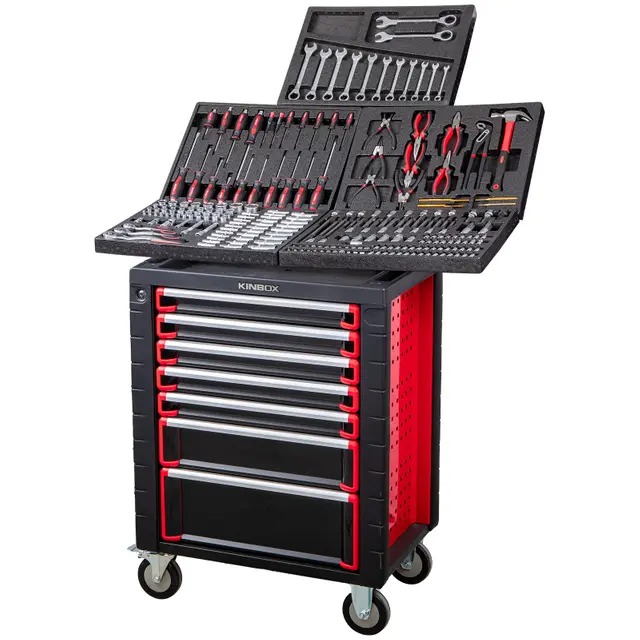
Before you bring in your new tool cabinet, you need to know exactly how much room you have. This step-by-step guide will help you get started.
Measure Your Space
Grab a tape measure. Check the width, height, and depth of the area where you want to put your cabinet. Write down these numbers. You want to make sure your cabinet fits and leaves enough room for you to move around.
Locate Studs
Use a stud finder to find the studs in your garage walls. This helps you anchor your cabinet safely. Cabinets anchored to studs stay secure, even when you load them up with heavy tools.
Plan for Accessibility
Think about how the cabinet doors and drawers will open. Make sure nothing blocks them. You might want to leave extra space for future cabinets or other storage. Good planning now saves you trouble later.
Tip: Take a few minutes to sketch your garage layout on paper. Mark where you want your tool cabinet and other big items. This makes planning your layout much easier.
Look at how you move around your garage. Some areas get busy, like the path from the door to your workbench or the spot where you park your car. Other spots stay quiet.
High Traffic Zones:
These are the places you walk through a lot. Keep these areas clear. You do not want to trip over tools or bump into your cabinet.
Low Traffic Zones:
These spots are perfect for storage. Place your tool cabinet here. You can reach your tools when you need them, but they stay out of the way.
| Zone Type | Best Use |
|---|---|
| High Traffic | Keep clear for walking, parking |
| Low Traffic | Store cabinets and tools |
When you know your high and low traffic zones, you can set up your garage for a smooth workflow. You will always have your tools and materials needed close by, but you will not block your path. This makes your garage safer and more organized.
Note: Planning your layout helps you use every inch of space. You get a garage that works for you, not against you.
Your garage should help you work better. Think about how you move when you grab tools. The right spot for your tool cabinet saves time. You can get your tools fast and avoid getting annoyed.
Put your cabinet near your main work area. You will not need to walk far for tools.
Make sure the cabinet does not block outlets or power sources. You need easy access to electricity for your projects. This helps you avoid tripping over cords.
Leave enough space around the cabinet. You should open drawers and doors all the way. This lets you see all your tools.
A good setup keeps you safe and helps you work well. Planning your layout makes your garage more comfortable and useful.
Tip: Draw your garage on paper. Mark where you want your cabinet. This helps you check if the spot works for you.
Put your cabinet in a spot that does not block anything. Do not block doors, windows, or your car.
| Mistake | Explanation |
|---|---|
| Improper placement | Cabinets can block outlets or garage door tracks. They can also make it hard to park your car. |
| Overlooking ventilation | Poor airflow can cause moisture, mold, and mildew. This can hurt your cabinets and tools. |
| Not planning for future storage | If you do not plan ahead, you may run out of space for new tools. |
Roller cabinets are easy to move. The wheels let you clean or change your garage setup. Locking wheels keep the cabinet in place when you work. Strong shelves help you store your tools safely.
If you put your cabinet in a good spot, your garage stays neat. You will be ready for any project. This smart plan helps you use your space well and keeps your tools close.
Before you set up your tool cabinet, you want a fresh start. Clearing and cleaning your garage makes everything easier and safer. Start by removing anything you do not need. If you forgot you had it, you probably do not need it! Set a timer and break the job into chunks so you do not get tired. Label donation boxes right away so old stuff does not sneak back in. Try to go through your belongings at least once a year to sell, donate, or toss what you do not use.
Here are some quick cleaning tips:
Declutter by removing items you no longer need.
Organize your tools and materials for easy access.
Keep a bag of kitty litter handy to soak up oil or grease spills.
Sweep the floor, especially in corners and edges.
Mix powdered laundry detergent with hot water to scrub the floor. Let it sit for ten minutes, then rinse.
Use a broom, dustpan, or handheld vacuum to tidy up after projects.
If you see cracks or chips in the floor, patch them with a concrete compound. For extra protection, seal the floor or even add an epoxy coating. This helps your cabinet storage system last longer and keeps your garage looking sharp.
Securing tool cabinets is a must for safety and functionality. You do not want your cabinet tipping over or moving when you grab a heavy tool. Here’s how you can anchor your cabinet like a pro:
Use a stud finder to locate the studs in your wall. Mark these spots with a pencil.
Drill small pilot holes at the marked spots. This makes it easier to drive in screws.
Secure the cabinet to the wall studs with sturdy screws. Make sure the cabinet does not move.
For extra support, install a ledger board along the wall and attach your cabinet to it. Use a level to keep everything straight.
Modern tool cabinets come with safety features that boost functionality. Check out this table for some helpful features:
| Safety Feature | Description |
|---|---|
| Anti-Tipping Mechanisms | Anti-tip brackets or weighted bottoms keep your cabinet stable. |
| Locking Mechanisms | Tubular locks on drawers protect your tools from theft. |
| Braking Systems and Wheel Locks | Wheel locks stop your cabinet from rolling away, even on uneven floors. |
| Magnetic Sensors | Some cabinets use sensors to lock wheels if someone tries to open drawers without permission. |
Tip: Always lock your cabinet when you finish working. This keeps your tools safe and your garage secure.
A well-anchored cabinet storage system gives you peace of mind. You keep your tools organized, your space safe, and your garage ready for any project.
You want your garage to look neat. Start by putting tools into groups. Put wrenches with other wrenches. Sockets go with sockets. Keep special tools together. This helps you find things quickly. Put tools you use a lot at waist height. Heavy tools should go on lower shelves. Grouping tools by use saves time and helps you work faster.
| Zone | Tools Included |
|---|---|
| Automotive | Jacks, jumper cables, oil |
| Gardening | Shovels, rakes, gardening tools |
| DIY | Power tools, fasteners, safety gear |
Tip: Make spots for each tool type. This keeps your organizer neat and helps you work better.
Organizers help you keep your garage tidy. Use dividers, bins, and trays for small things. Foam inserts help organize drawers. Color-code your organizers to find tools fast. Label each area clearly. For example, mark bins with “Nails” or “Bolts.” Use pictures or outlines on pegboards to show where tools go. This makes it easy for everyone to put tools back.
| Organizer Type | Description |
|---|---|
| Toolboxes and Chests | Portable boxes for different tools |
| Pegboards and Wall Organizers | Use wall space and show tools for quick grabs |
| Drawer Organizers and Dividers | Keep small tools sorted in drawers |
| Mobile Tool Carts | Move tools around your workspace |
Color-coding helps you find tools quickly.
Labels keep your organizer neat.
Tool shadows on pegboards show missing tools.
Use pegboards, hooks, and tracks to save space. Hang small items on pegboards for easy reach. Use hooks for big tools to keep floors clear. Track systems hold odd-shaped items. If you rent, metal shelves give strong storage without drilling. Full-extension drawers let you see all your tools inside.
| Advantage | Description |
|---|---|
| Space-Saving | Clears up floor space |
| High Visibility and Accessibility | Shows tools for quick grabs |
| Customizable | Change systems to fit your needs |
| Cost-Effective | Easy DIY options you can try |
Note: Good storage keeps your workspace neat and helps you finish projects faster.
Use tool kits with divided boxes to keep things sorted. Organizers make garage storage easy and quick. When you give each tool a spot, you save time and stay organized. Your garage will look nice and work well.
You want your garage to be safe and easy to walk in. Clear paths help you move without tripping or bumping into things. Try these ideas to keep walkways open:
Store things off the floor to save space.
Hang tools on the wall so you can grab them fast.
Make special areas for each job or tool type.
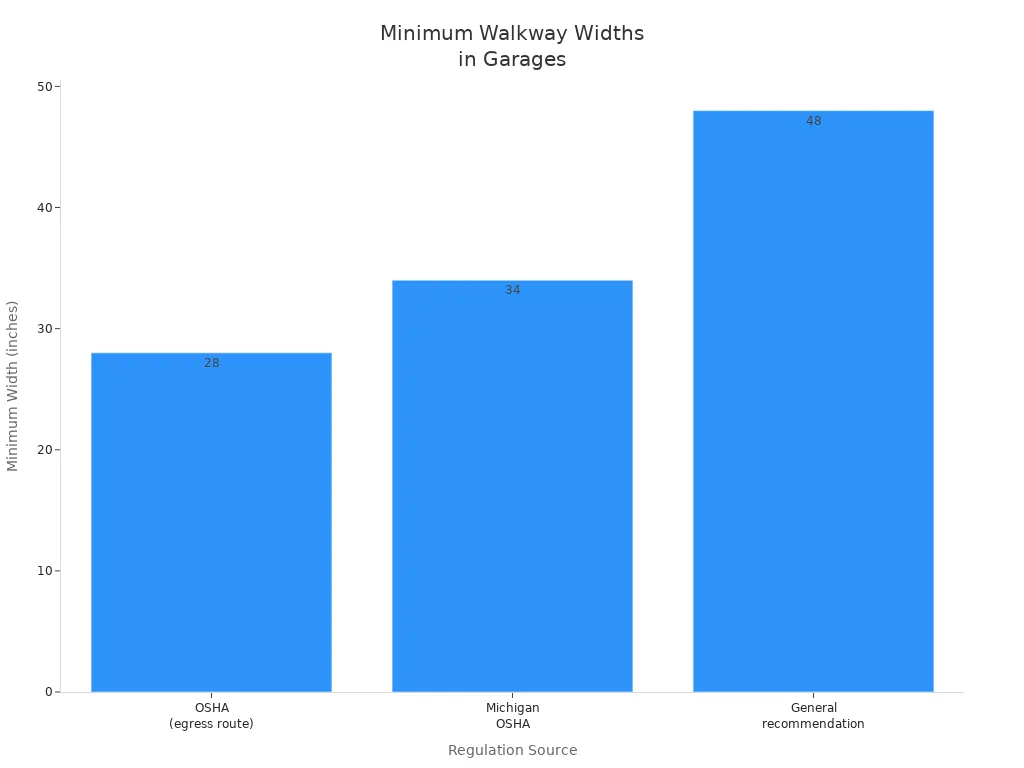
Check how wide your walkways are. Here is a simple guide:
| Regulation Source | Minimum Width | Notes |
|---|---|---|
| OSHA (egress route) | 28 inches | Needed for emergency exits |
| Michigan OSHA | 34 inches | Needed for exit access |
| General recommendation | 4 feet | Based on old advice |
Mobile tool cabinets are easy to move. You can roll them away when you need more room. This helps you keep walkways clear and reach your tools easily.
Safety is important in every garage. Dangerous items need extra care. Follow these tips:
Keep chemicals that do not mix apart.
Put clear labels on every container.
Use extra trays to catch spills.
Store chemicals lower than your eyes.
Check your storage area often.
Good safety steps and strong cabinets help stop accidents and keep you safe.
Here are more tips:
Do not keep chemicals in cardboard boxes.
Keep flammable things away from the top or near your cabinet.
Pick the right cabinet for dangerous items. See this table:
| Type of Cabinet | Key Features |
|---|---|
| Flammable Storage Cabinets | Doors close by themselves, warning signs, steel body, meets OSHA and NFPA 30 rules |
| Corrosive Safety Cabinets | Stops rust, has vents, catches spills, meets OSHA and NFPA rules |
Take care of your garage storage to keep it safe. Oil hinges and drawer slides. Lift cabinets up to keep water out. Put heavy tools on the bottom shelf. Seal cracks to keep bugs away. Use a checklist to remember repairs and cleaning.
Leave space for new tools by using storage that you can change. Give each tool a spot so you can find it and see if something is missing.
Mobile cabinets let you change your garage as you need. You get better access and a safer place to work. Your garage stays neat, easy to use, and ready for any job.
You can make your garage safe and neat with easy steps. First, make a plan for your garage. Measure the space you have. Pick a tool cabinet that fits well. Sort your tools into groups. Use labels so you can find things fast. Clean and organize your garage often. This helps your tools last longer. It also makes every project easier. Cabinets keep dust and bugs away from your tools. They lock up sharp items so no one gets hurt. Your garage looks clean when you use cabinets. If you take care of your cabinets, your space stays neat. You will always know where your tools are.
Cabinets keep tools safe from dust and bugs.
Lockable cabinets protect sharp and dangerous tools.
Good organization helps you finish projects faster.
| Key Benefit | Description |
|---|---|
| Concealed storage | Makes your garage look neat and tidy |
| Safety | Keeps tools and dangerous items locked up |
| Durability | Strong cabinets last a long time |
Choose modern storage that moves easily. This keeps your garage safe and helps you work better.
How do I choose the right size tool cabinet for my garage?
Measure your space first. Think about how many tools you have. Pick a cabinet that fits your needs but still leaves room to move around. You want your garage to feel open and easy to use.
Can I move my tool cabinet if I rearrange my garage?
Yes! Many tool cabinets come with wheels. You can roll them to a new spot when you change your layout. This makes it easy to keep your garage organized and flexible.
What is the best way to organize garage tool storage?
Sort your tools by type or use. Use bins, labels, and drawer dividers. Hang big tools on the wall. Give each tool a home so you can find it fast and keep your space tidy.
How do I keep my tool cabinet safe from moisture?
Keep your cabinet off the floor if possible. Use a dehumidifier in your garage. Wipe down tools before storing them. This helps stop rust and keeps your tools in good shape.



