
 English

Views: 0 Author: Site Editor Publish Time: 2026-02-02 Origin: Site


Honestly, sometimes I walk into my garage and it feels like a total jungle. There are tools, paint cans, extension cords, gardening stuff, and all kinds of random boxes everywhere, and it makes me go, “Okay, how do people survive out here without tripping every five seconds?” But for real — garages are way more complicated than they look. They’re not just places to dump old stuff. They’re full of things that could hurt you if they’re not stored right. That’s why using garage storage cabinets safely is super important. Cabinets might make your garage look neat, but they’re also a big part of keeping the space safe for you, your family, and even your pets.
So in this article, we’re gonna go through a bunch of safety tips for using garage storage cabinets the right way. Think of it like a guide to help you avoid accidents, protect dangerous items, and make sure your garage is a space you can actually work and live with — not a scary obstacle course.
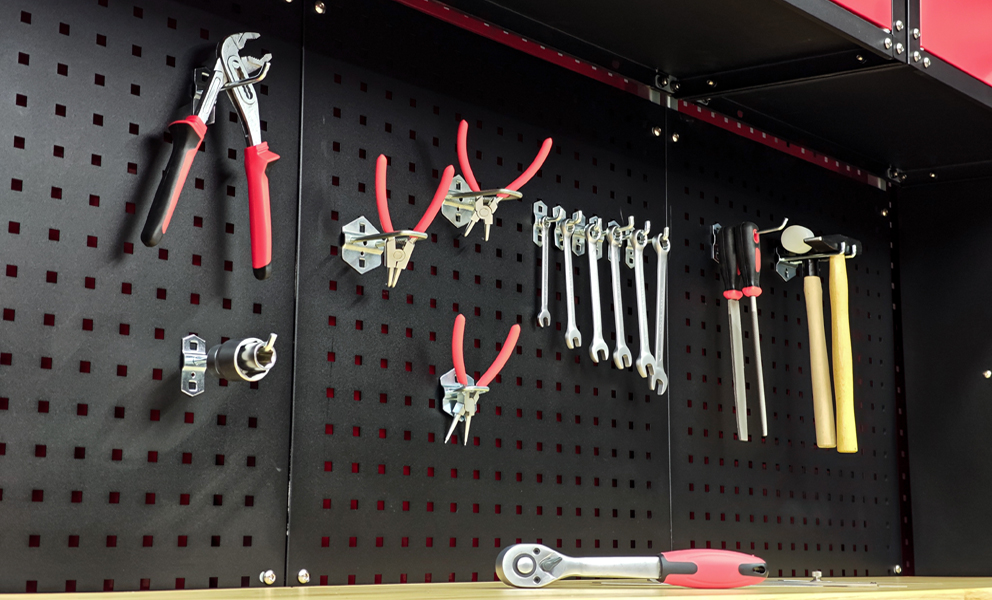
When you’re thinking about garage safety, the first big step is choosing the right cabinets. Not all storage cabinets are the same, and picking the wrong ones can actually make things worse. First, look for cabinets made from good materials that won’t warp, rust, or break down when the garage gets hot, cold, or humid. Sturdy metal or powder‑coated steel options usually hold up better than cheap wood or particle board alternatives.
Another super important part of safety is weight capacity and anchoring. Cabinets are meant to hold stuff, but if you overload them or don’t anchor them securely to wall studs, they could tip over and hurt someone. Always check the weight ratings before you start stacking tools and containers on shelves and make sure they’re fastened to solid wall studs for maximum stability.
If you’ve got kids or pets in the house, consider lockable cabinets too. These let you keep dangerous tools and materials locked away so curious hands and paws can’t get into them. Locking cabinets also help protect expensive tools from theft or accidental misuse.
One of the biggest safety challenges in a garage is dealing with hazardous materials like paints, solvents, gasoline, pesticides, and other chemical products that people often keep on hand. These items can be toxic, flammable, or just dangerous if they spill or are accidentally opened. That’s why storing them right is really important.
To start, keep hazardous items in safe, designated storage spots within your cabinets, especially if they’re clearly labeled and lockable. Storing these products out of direct reach helps prevent accidental poisoning or mishaps, especially if younger people are around. Proper labeling is also key — clear identification can stop you or anyone else from grabbing the wrong thing by accident and using it unsafely.
Another good habit is to segregate incompatible chemicals. For example, some cleaning products or automotive fluids shouldn’t be stored next to each other because they might react if mixed or spilled. While this is a lab‑level practice, it’s useful to think about organizing your garage chemicals so that nothing that could react dangerously is stored together.
Finally, never store flammable liquids like gasoline next to heat sources or electrical tools. Keep them in appropriate containers designed for flammable storage and away from anything that could spark or ignite. These precautions seriously reduce the risk of dangerous fires or explosions.
Let’s be honest — garages are full of tools, and a lot of them are sharp or heavy. Storing these tools safely inside cabinets is a big step toward preventing injuries. For instance, tools like saws, drills, and wrenches should go in cabinets that are easy to access but out of reach of kids or pets. It’s a good idea to store heavy items low down on shelves so you don’t have to lift them high and risk dropping them on your feet.
Make sure your cabinets have strong shelves that won’t sag or collapse under heavy gear. And if you’ve got power tools or sharp blades, lockable cabinets keep these items secure and prevent accidental contact. This not only protects curious hands but also helps extend the life of your tools by keeping them organized and free from humidity or dust.
If you want to go the extra mile, consider adding soft‑close hinges or drawers so fingers don’t get pinched and cabinets don’t slam shut unexpectedly. These little safety features make a surprisingly big difference, especially if multiple people use the garage on a regular basis.
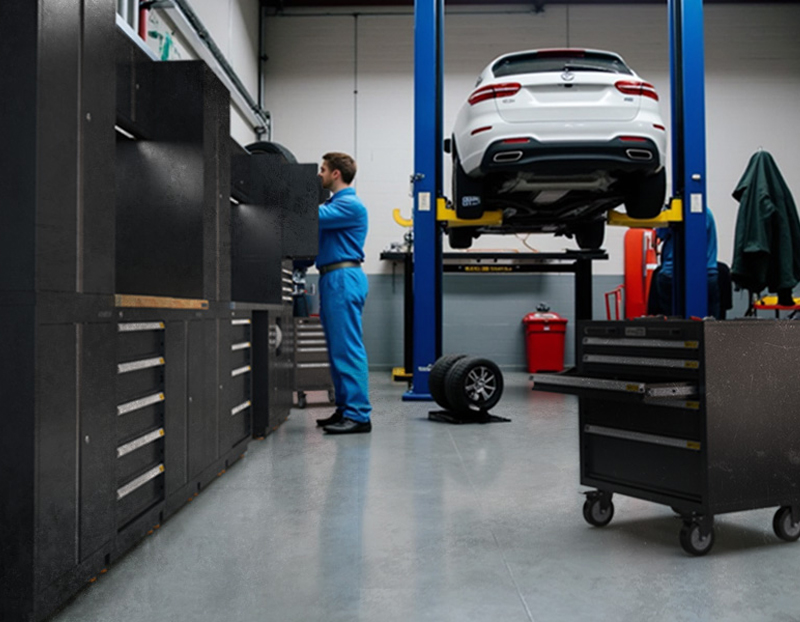
Fire safety in a garage is huge because there are often lots of flammable materials stored there — think gasoline, oil, and various chemicals. Without the right precautions, a small spark or heat source could quickly turn into a dangerous fire situation.
Start by storing flammables in approved containers and in cabinets that are designed to hold them. These containers help prevent spills and reduce the spread of vapors that could ignite. Make sure these materials are kept away from heat sources like space heaters, electrical tools, or anything that generates sparks.
Good ventilation is also key. If fumes build up, they can create an invisible hazard that’s easier to ignite. Opening a window or even using a small exhaust fan when working in the garage can help keep air moving and reduce dangerous buildup.
Finally, it’s smart to have smoke alarms and a fire extinguisher designed for chemical and electrical fires in or near your garage. Regularly test your smoke alarm and keep the extinguisher accessible so you can grab it fast if you need it.
Effective garage safety isn’t just about storing things in cabinets, it’s also about keeping the whole space organized and easy to move through. A cluttered garage makes accidents more likely — people can trip over boxes, tools can fall off unstable surfaces, and items can get hidden in dark corners where someone might accidentally reach for something dangerous.
One good practice is to declutter before you put things in cabinets. Sort through everything and get rid of items you no longer use or need. This makes it easier to organize the keepers and reduces the risk of dangerous items being shoved somewhere unsafe.
Also, label shelves and drawers so you always know where things go and can quickly find what you’re looking for without rummaging around. Leaving pathways clear and placing commonly used items at eye level or within easy reach helps prevent accidents and makes your garage more functional overall.
Planning your layout thoughtfully — so cabinets don’t block walkways, doors, or your car — also improves safety. A well‑organized garage feels relaxed and easy to use instead of stressful and chaotic.
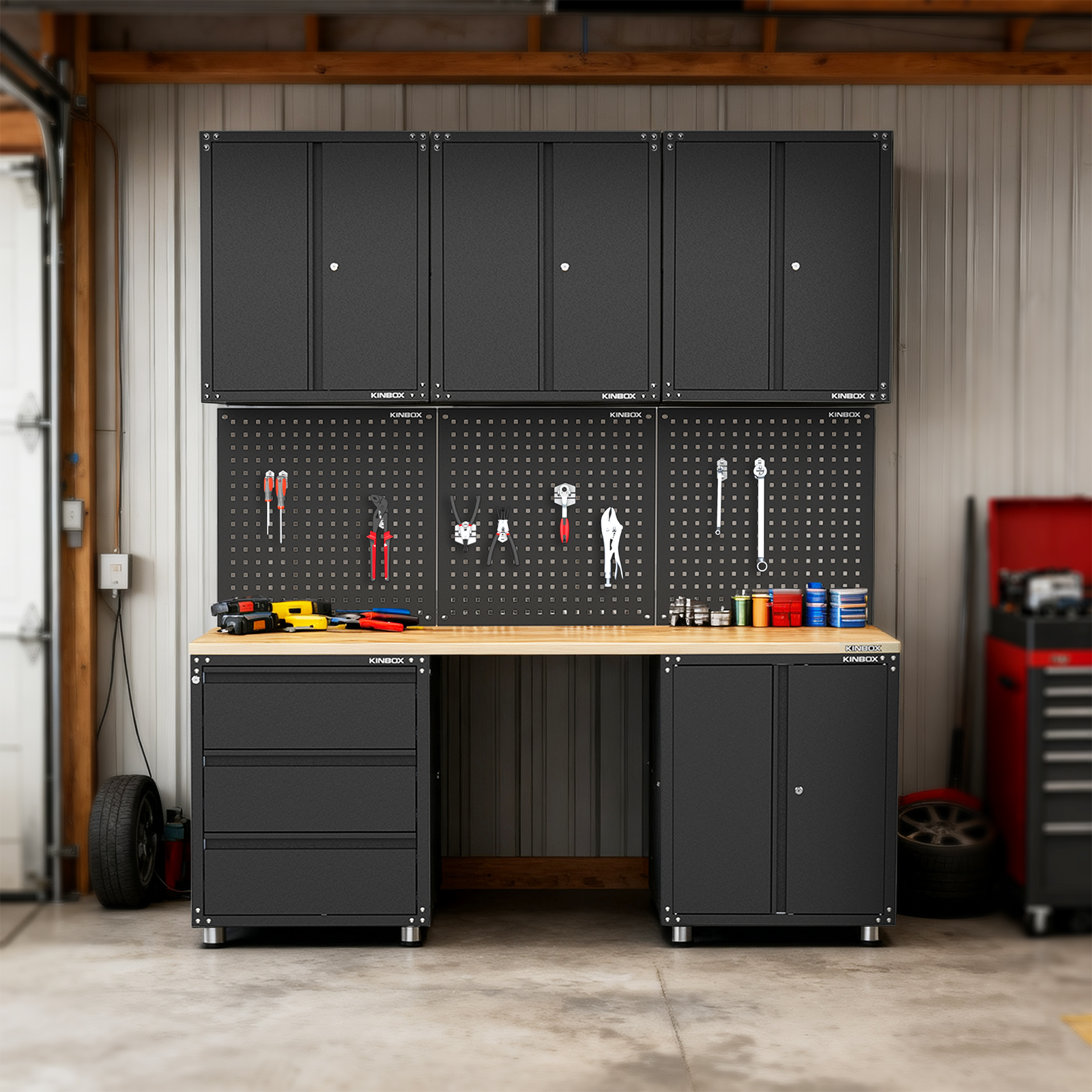
Good lighting and regular maintenance are often overlooked when people think about storage safety, but they’re actually super important. Bright lighting helps you see what you’re doing, especially when you’re handling sharp tools or grabbing chemicals from cabinets. If your garage is dim, install bright LED lights around key areas like workbenches and cabinet locations.
Another good habit is to inspect your cabinets regularly. Check hinges, locks, shelves, and wall anchors to make sure everything is still sturdy. A loose screw or a rusty hinge might seem small, but it can lead to accidents if it’s ignored.
Keeping your garage clean — wiping dust, checking for moisture damage, and clearing out old or unused items — also helps keep the space safe and pleasant to work in. Regular maintenance makes it less likely that you’ll run into unexpected problems later on.
If you’ve got kids or pets at home, garage safety becomes even more important. Curious little hands and paws don’t always understand that sharp tools or chemicals can hurt them. That’s why it’s smart to use lockable cabinets with strong, secure latches on anything potentially dangerous or harmful.
Teaching kids what’s safe to touch and what’s off‑limits also helps a lot. When everyone in your family understands the rules of the garage, accidents are much less likely. And if locking things up isn’t enough, consider soft‑close drawers and doors so little fingers aren’t in danger of getting pinched.
Remember — safety isn’t just about keeping dangerous stuff out of sight, it’s about making sure everyone knows and respects what’s stored where.
So yeah, garage storage cabinets are amazing for making your space neat and functional, but they should also be part of a bigger safety plan. Choosing the right type of cabinets, storing hazardous materials properly, and organizing tools and equipment safely all help reduce accidents and make your garage a better place to live, work, and hang out.
Good lighting, labeling, and regular maintenance keep everything working the way it should, and kid‑proofing steps like locks and safe layouts make sure curious family members can’t accidentally get hurt. When you put all these safety tips together, your garage becomes a space you can be proud of — not someplace you dread stepping into.
Taking the time to set up your garage the right way is honestly worth it. You’ll feel more confident using the space, and you’ll know that your family is safer too — which ultimately makes your home better for everyone.



