
 English

Views: 0 Author: Site Editor Publish Time: 2026-01-12 Origin: Site


When most people think about tools, they usually picture hammers, drills, or maybe that one really intimidating table saw in the garage. But what we often don’t think about is where those tools live. Tool cabinets might not be as flashy as power tools or as fun as a new gadget, but they are literally the backbone of staying organized, keeping tools safe, and creating a workspace that actually functions. Whether you’re a weekend DIY warrior, a budding mechanic, or just someone who inherited an old set of tools from your grandpa, tool storage is something that eventually becomes a priority.
Tool cabinets have changed a lot over time — from simple boxes that just held a couple of wrenches to today’s smart, modular, and high‑tech solutions that integrate with digital systems. And it’s actually pretty fascinating when you think about how these functional storage systems evolved alongside both tools and technology. In this article, we’ll explore how tool cabinets went from basic wooden storage to sleek modern solutions that are as much about efficiency as they are about style and innovation.
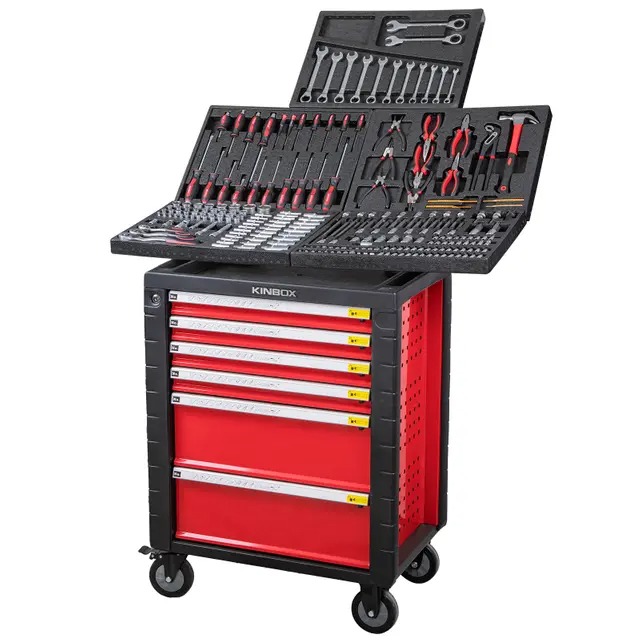
Early in history, people didn’t have the luxury of dedicated “tool cabinets” the way we think of them now. Instead, tools were stored in the most basic and practical ways available — chests, bags, or simple containers that could keep metal implements together. In the 18th and early 19th centuries, you’ll actually find evidence of carpenters and tradespeople using tool chests in newspapers and museum collections. These were often wooden box‑like pieces with compartments, designed just to hold a set of tools and protect them from damage or loss while traveling or working on site.
These early storage forms weren’t sophisticated by any means, but they were effective. Most were made of wood or natural materials that were readily available, and they served the simple purpose of keeping personal tools in one place. As craftsmanship and trade became more specialized, the need for organized storage also grew — setting the stage for the next major step in the evolution of tool cabinets.
By the late 19th and early 20th centuries, wooden tool cabinets had become more refined. These weren’t just boxes — they were purpose‑built chests with drawers, trays, and compartments customized to hold specific tools, often designed by and for craftsmen who took pride in their tools. Craft professionals and machinists would spend significant time arranging tools in these cabinets so that everything had its place.
One famous example comes from the arts: the Henry O. Studley tool cabinet, a masterpiece built by a cabinetmaker that could house hundreds of tools with remarkable craftsmanship. It featured swinging frames and layers that folded out for access, and its design was as much an artisan’s work as it was functional. Such classic pieces represent how tool cabinets shifted from being simple storage to becoming personal statements of craftsmanship and organization.
At the same time, companies like H. Gerstner & Sons were building wooden tool chests that became legendary among woodworkers and machinists. Founded in 1906 in Dayton, Ohio, Gerstner’s chests were made from quality hardwoods and meticulously crafted, with features like felt‑lined drawers and custom slots that made them ideal for professional use. These units weren’t cheap, and many became heirlooms, passed down because they were beautiful and very practical.
As tools themselves became more sophisticated and heavier, the limitations of simple wooden chests became more apparent — especially in industrial environments where durability and efficient access were critical. That’s where the next big transformation began.
The Industrial Revolution didn’t just change how goods were made — it changed what people needed in their workshops. Tools were becoming more specialized, more varied, and often heavier. Wood, while classic and elegant, simply couldn’t match the durability required for big metalworking tools, and it wasn’t great for repetitive industrial use.
That’s when metal — especially steel — started to be used for tool storage. Metal cabinets offered much better resistance to wear and the kind of tough handling that happens in busy shops. These metal systems were sturdy, could hold heavier tools without splitting or cracking, and were much more suited to industrial workshops and garages.
By the early 20th century, metal was firmly becoming the material of choice for workshop storage. This included not just simple steel boxes but large cabinets with drawers, casters, and integrated work surfaces. Steel cabinets could be built in modular configurations and were often designed to survive a really hard day’s work.
The idea was simple: tools are heavy and expensive — they deserve a home that can protect them and make them easy to use. Metal tool cabinets were rugged, durable, and functional in ways wood simply couldn’t match for heavy‑duty environments.
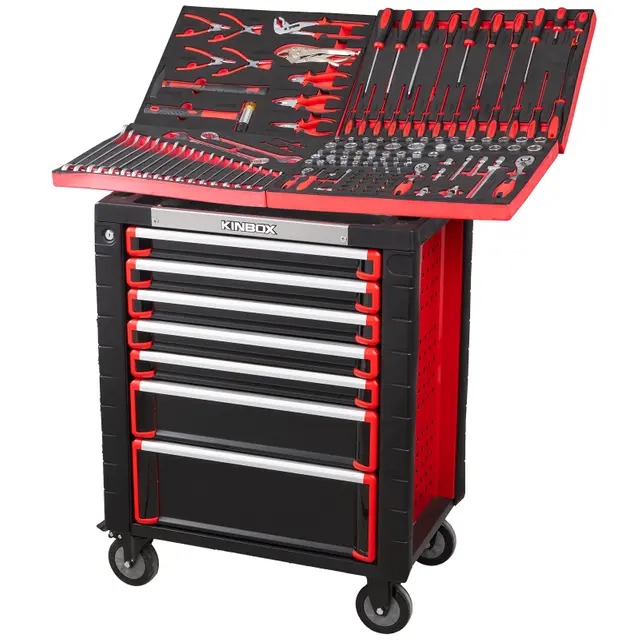
As the 20th century continued, tool storage systems became more modular. Rolling tool cabinets — essentially big metal boxes on wheels — started showing up in garages and workshops. These cabinets allowed mechanics and technicians to move their entire tool collection around a workspace, which was a huge leap from fixed, stationary chests.
Combined units that stacked a top tool box on a larger rolling base became especially popular. This design offered top‑level portability with bottom‑level capacity, giving users the best of both worlds. For professionals, this meant tools were not just stored — they were organized and accessible.
In recent decades, modular tool storage systems have become popular, especially among DIYers and tradespeople who appreciate flexibility. These systems let you stack, lock, and customize individual tool boxes to fit your specific needs. They’re great for people who move between jobsites or who need customized interior configurations — a modern take on adaptability.
Today’s modular tool systems clearly show how the evolution of tool storage has shifted from static boxes to flexible systems that adapt to how we work — a demand that simply didn’t exist in the early days of basic chests.
Although steel remains a core material for heavy tool cabinets — and for good reason — modern designs have also introduced plastics, aluminum, and composites in specialized environments. These materials help reduce overall weight while still offering durability, especially for portable storage or specific tool setups.
Plus, modern manufacturing techniques — like powder‑coating and precision welding — give today’s cabinets better rust resistance and higher load‑bearing capabilities. In other words, we can now have storage that’s both lightweight and tough, which wasn’t always possible with older metal cabinets.
One of the biggest differences in the modern era is the rise of smart features in storage solutions. Some of today’s advanced systems include RFID tags, barcode scanning, and digital inventory tracking that helps you know exactly which tool is where. This technology is especially useful in professional environments like aviation or manufacturing floors where losing track of a tool could mean delays or safety issues.
Integrated lighting, built‑in power outlets, and even temperature or humidity monitoring are becoming more common in high‑end cabinets. These features are great because they not only protect tools but also support users in managing their workspace more effectively.
In some advanced setups, tool cabinets work with software that helps you maintain inventories, monitor tool usage, and even schedule maintenance. This goes way beyond simple storage — it’s a whole ecosystem aimed at making tool management easier and more efficient. While this might sound like science fiction compared to basic wooden chests, it’s already reality in many professional settings.
Tool cabinets have become more than just places to store equipment — they can symbolize professionalism, identity, and craftsmanship. Anyone who’s spent time in a well‑organized garage or workshop knows that seeing neatly arranged tools in a cabinet can change how you think about your space. It’s like the difference between a jumbled closet and a clean, labeled one — everything feels more intentional.
In some movies and TV shows, a well‑filled tool cabinet in a character’s garage can communicate a lot about their personality: maybe they’re meticulous, maybe they’re a tinkerer, or maybe they’re just really serious about projects. That cultural symbolism didn’t exist with early tool storage but is part of how we see tools and spaces today.
On a practical level, modern tool cabinets have changed how people approach hobbies and work. If you’re in a small apartment but have a folding tool storage cabinet in your garage, you suddenly have a functional workspace. If you’re a student building furniture in your spare time, having modular storage that fits your apartment or dorm makes projects more manageable.
Even beyond personal projects, organized storage reduces mistakes, enhances safety, and boosts productivity — because you’re not spending half your time searching for the right wrench or screwdriver.
Looking ahead, the evolution of tool cabinets is likely to keep going in the direction of intelligence and adaptability. We’ll probably see more systems that integrate with mobile apps, giving users real‑time alerts about missing tools or low supplies. Sustainability is also becoming more important, meaning future cabinets might use recycled or bio‑based materials without sacrificing strength.
For professionals, advances in automation might even link tool storage with robotics or AI systems that help manage inventories in large facilities. Even at the hobbyist level, we’re likely to see tool cabinets with more modular plug‑and‑play options, customizable interiors, and better digital tracking for power tools and accessories.
From humble chests carved by hand to complex systems that talk to software and track inventory, tool cabinets have come a long way. What started as simple boxes to keep tools together has transformed into multi‑purpose, ergonomic, and even smart storage solutions that reflect how we work, think, and live.
Tool storage isn’t just about holding tools anymore — it’s about efficiency, identity, and technological integration. And whether you’re setting up your first real workshop or just want a better way to organize your space, appreciating this evolution can make you think differently about the role that something as simple as a tool cabinet plays in your daily life.



