
 English

Views: 0 Author: Site Editor Publish Time: 2026-02-20 Origin: Site


A well‑organized workshop starts with one essential foundation — an efficient tool cabinet. Whether you’re a hobbyist working on woodworking projects, a home mechanic tackling basic repairs, or just someone who likes keeping tools orderly, the right approach to organizing your tool cabinet can save you time, reduce frustration, and protect your investment in equipment. In this article, we’ll walk through practical tips and proven methods to help you organize your tools like a pro and make your workspace safer, more functional, and truly enjoyable to use.
Before diving into specific tips, it’s worth understanding why organizing your tool cabinet matters in the first place.
A cluttered tool cabinet can slow down even the simplest task: digging through drawers for the right wrench or screwdriver eats up valuable time and interrupts workflow. Organized tool cabinets reduce the time spent searching for tools, improve workflow, and help keep everything protected and in its place. According to garage organization guides, sorting your tools by category and grouping similar items together — such as wrenches, screwdrivers, and measuring tools — significantly improves efficiency and overall productivity in your workshop.
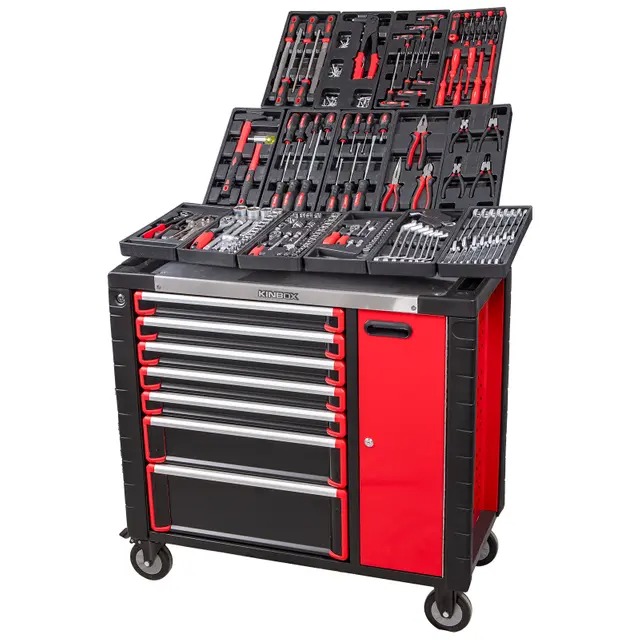
The first and most fundamental step in organizing any tool cabinet is sorting your tools by type and function:
Group similar tools together — e.g., all wrenches in one section, screwdrivers in another, and measuring tools in their own space.
Create clear categories so you can quickly locate what you need without guessing or rummaging.
This type of categorization not only makes retrieval easier but also helps you notice what tools you have and which you might actually need. Regularly revisiting this organization will keep clutter from building up over time.
Tool cabinets are most effective when their interior space is thoughtfully organized. Consider using drawers dividers and inserts to separate tools and keep them from sliding around:
Adjustable dividers or trays help create compartments for different tools and hardware.
Custom inserts can be made from simple materials like plywood to perfectly fit the shape and size of specific tools.
This not only prevents tools from mixing together but also helps protect them from damage during opening and closing of drawers.
Not all tools are used equally. When organizing your tool cabinet, place the tools you use most at eye level or in the top drawers where they are easiest to reach:
Everyday tools (like screwdrivers, wrenches, or tape measures) should be easily accessible.
Less frequently used tools can go in lower drawers or deeper sections of the cabinet.
Organizing tools by how often you use them makes your workflow smoother and reduces time spent searching for tools.
Your tool cabinet doesn’t have to hold everything. You can extend organization beyond the cabinet:
Use pegboards, wall racks, and magnetic holders for hanging tools you use often. These work especially well for wrenches, pliers, and saws.
Hanging tools vertically makes them easier to see and access, and frees up cabinet space for smaller items.
This combination of wall and cabinet organization helps make the most of every inch in your workshop.
To further enhance organization, dedicate specific drawers to particular categories:
One drawer for sockets and socket accessories
Another for hammers, mallets, or impact tools
Separate drawers for bits, fasteners, and specialty tools
This approach is often used by experienced mechanics and woodworkers, with larger metal tool chests having dedicated drawers for specific tool types — from pipe cutters to measuring equipment.
Labels might seem simple, but they make a big difference in maintaining organization:
Label each drawer or compartment so that tools always go back to their designated place.
Periodically review and adjust your setup as your tool collection grows or changes.
Consistency in labeling and maintenance prevents cabinets from deteriorating into chaos again — which is all too common in garages and workshops with multiple tools.
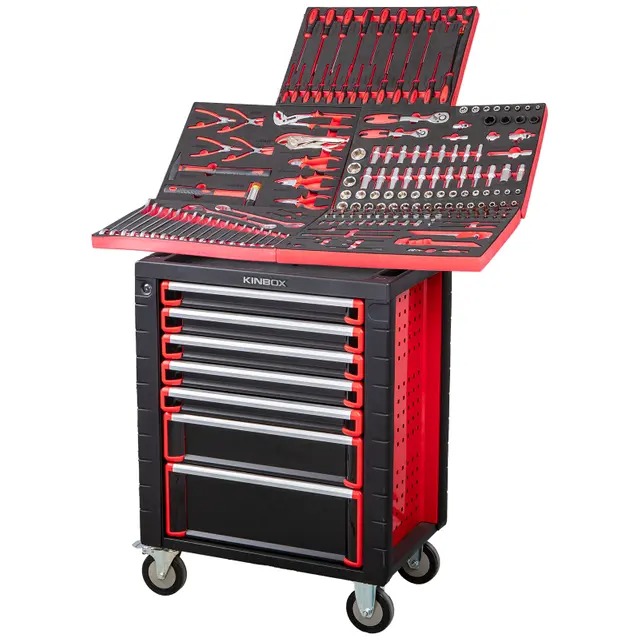
Not all tools fit neatly into basic compartments. For odd‑shaped or rarely used tools, consider these ideas:
Magnetic strips or rails inside the cabinet door can hold metal tools securely.
Small bins or modular containers can organize small parts like screws, nails, and fasteners.
Foam or custom inserts protect delicate tools and keep them from moving around.
These small but smart additions enhance overall organization and make your tool cabinet more versatile.
A tool cabinet doesn’t exist in isolation — it should be part of a holistic workshop storage strategy. Many effective garage storage ideas pair tool cabinets with wall storage systems, shelving, and designated work zones.
By combining a well‑organized tool cabinet with a comprehensive garage layout strategy, you can create a workspace that is efficient, functional, and tailored to your needs — no matter how big or small your workshop is.
A well‑organized tool cabinet is more than just tidy — it’s the foundation of a productive and enjoyable workshop. By sorting tools by category, using drawer dividers, maximizing wall space, and maintaining consistent habits, you can dramatically improve how you use your tools and your overall efficiency. Whether you’re taking on bigger mechanical projects or everyday repairs, these organization tips will help you make the most of your home workshop.
To take your workshop organization even further, Kinbox Tools offers a range of high‑quality tool cabinets and complete garage storage solutions designed for both hobbyists and serious home mechanics. Built with durable materials, customizable compartments, and ergonomic design, our tool cabinets help protect your tools from dust, moisture, and damage while keeping everything easy to access and neatly organized. Whether you’re outfitting a small home workshop or building a larger garage system, Kinbox provides reliable storage options that enhance your efficiency and elevate your workspace.
1. How should I categorize tools in my tool cabinet?
Group tools by type and usage — for example, all wrenches together, screwdrivers in another section, and measuring tools in a separate space.
2. What are drawer dividers useful for?
Drawer dividers help compartmentalize tools and prevent them from sliding or mixing, leading to quicker retrieval and better space use.
3. Where should frequently used tools be stored?
Place your most‑used tools in top drawers or easily accessible areas of the tool cabinet to reduce time spent searching.
4. Should a tool cabinet be used with wall storage?
Yes — combining a tool cabinet with wall storage like pegboards or racks maximizes space and improves accessibility.
5. How often should I reorganize my tool cabinet?
Revisit and adjust your tool cabinet layout as your tool collection changes or grows. Regular review helps maintain organization.



