
 English

Views: 0 Author: Site Editor Publish Time: 2026-04-03 Origin: Site


A lot of people judge a tool cabinet by the obvious things first: how big it is, how strong it looks, whether the finish feels solid, whether the drawers slide well, whether the doors shut with that nice clean click. All of that matters. But if you spend any real time in a workshop, service bay, maintenance room, or production support area, you realize pretty quickly that the real value of a cabinet is not just what it can hold on day one. It is how well it keeps working when the tools change, the workflow changes, the users change, and the space itself starts asking for more than it did at the beginning. That is where versatility stops being a bonus feature and starts becoming the core value. Well-established workplace organization methods such as 5S are built around exactly this kind of logic: sort what matters, set it in order, standardize the setup, and make the system easy enough to sustain in daily work. In other words, a tool cabinet is not most valuable when it looks neat in a catalog photo. It is most valuable when it can adapt to real work without constantly forcing people into awkward storage habits. In busy spaces, storage has to support order, protect access, reduce wasted motion, and help the room stay clean and usable over time. Workplaces are expected to keep storerooms, service rooms, and walking-working surfaces clean and orderly, and materials must be stored in ways that do not create hazards. A cabinet that can flex with the job makes those expectations much easier to meet. When people hear “versatile,” they sometimes think it just means a cabinet with adjustable shelves. That is part of it, but only part. A versatile tool cabinet is one that can support different types of tools, different working styles, different users, and different stages of business growth without becoming awkward, overloaded, or obsolete too quickly. It should be able to handle hand tools, power tools, accessories, measuring items, consumables, PPE, and small parts without turning every storage decision into a compromise. That kind of flexible organization fits directly with the broader idea behind 5S: every item should have a logical place, and that place should make the next action easier rather than harder. Versatility also means the cabinet can adapt when the work changes. And work always changes. A cabinet that was originally set up for automotive tools may later need to hold electrical supplies, inspection gear, maintenance stock, or mixed-use workshop items. One team may want deep drawer space; another may need open vertical room, bins, or lockable sections. A cabinet that can be reconfigured keeps earning its value because it adapts to the workflow instead of forcing the workflow to adapt to the cabinet. That is a major reason versatility matters so much more than people expect at the buying stage. A cabinet can have plenty of storage volume and still be frustrating to use. That happens when the internal layout does not match what people actually need to store. Maybe the shelves are too fixed, the compartments are too shallow, the drawer mix is wrong, or there is no sensible way to separate daily-use tools from backup stock. On paper, the cabinet is large enough. In practice, it creates clutter because the usable space is poorly matched to the task. A versatile tool cabinet solves that by making more of its interior genuinely usable, not just technically available. Very few workshops stay exactly the same for long. Teams grow, equipment changes, product lines shift, and even something as simple as a new technician joining the space can change how tools are grouped and retrieved. A rigid storage system usually starts fighting those changes sooner or later. A versatile tool cabinet keeps up better because it has enough flexibility to move with the shop instead of becoming the first thing that feels outdated. That is one of the quiet differences between storage that simply exists and storage that truly supports the operation. This is the part people feel before they necessarily know how to describe it. In a well-organized workspace, the cabinet does not interrupt the job. It supports the job. The right tool is easier to reach, backup items are where you expect them to be, and the bench stays clearer because the cabinet is doing its share of the organizational work. That is not just good housekeeping; it is better workflow. A clean, orderly work environment and a logical “set in order” system help reduce waste and support productivity, which is exactly why these ideas show up so often in lean workplace practices. A versatile tool cabinet helps here because it can be arranged around frequency of use rather than around a one-time shelf plan. Daily-use items can live in the easiest zones. Heavier or less-used items can move lower or higher. Small parts can be separated instead of floating around in mixed containers. The result is simple, but powerful: less searching, less shifting things around, less bench clutter, and fewer moments where someone says, “I know it’s here somewhere.” That kind of friction reduction is what makes a storage system feel professional. A poorly matched cabinet rarely causes one dramatic failure. It causes dozens of small interruptions. The screwdriver set is behind two boxes. The charger is on the wrong shelf again. The measurement tools are mixed with spare parts because there was nowhere better to put them. None of this sounds serious by itself. But across a week, it adds up to time, frustration, and unnecessary movement. A versatile tool cabinet cuts down on that because categories stay clearer and the layout stays more intuitive. One of the most practical reasons versatility matters is ergonomics. Storage works better when frequently handled items are kept in the most accessible area rather than on the floor, overhead, or buried behind other stock. Guidance for manual material handling recommends storing materials off the floor and arranging them so lifting and lowering happen in better working zones rather than through awkward reaches and bends. A versatile tool cabinet makes that much easier because the internal layout can be adjusted to fit real use patterns instead of leaving everything locked into one poor arrangement. Almost any workspace can look organized for one afternoon. The real question is what it looks like three weeks later. This is where a lot of storage systems fail. They are good at creating a clean starting point but not good at surviving daily use. That is why versatility matters so much. A tool cabinet that can only be “correctly” organized in one narrow way usually falls apart once real work begins. Tools come back in slightly different combinations, new items arrive, someone needs quick access to a different group of supplies, and suddenly the original setup no longer fits. A versatile cabinet, by contrast, is more forgiving. It gives the workspace room to breathe. One shelf can be converted from spare inventory to active-use items. A drawer section can be reassigned. A PPE zone can expand when requirements change. That flexibility is what helps organization survive ordinary life instead of collapsing the first time the workflow shifts. In lean terms, it helps make standardization sustainable rather than temporary. A big part of staying organized is reducing “temporary storage.” Most clutter is not created because people love mess. It is created because something did not have a realistic place to go. A versatile tool cabinet helps solve that by giving more item types a genuine home. Hand tools, drill bits, inspection tools, labels, gloves, chargers, and spare components do not all need the same kind of space. When the cabinet can support those different needs, it becomes much easier to keep everything in order. One person can often keep a messy storage system functional because that person remembers the logic. Shared spaces do not have that luxury. In team environments, storage has to make sense to more than one user. That is where versatility matters again. A tool cabinet that can be clearly divided, labeled, and adjusted for actual team use reduces dependence on memory and makes return locations more obvious. Shared work always benefits from clearer, more standardized storage. Many workshops do not really have a storage shortage. They have a storage mismatch. There is technically enough volume in the room, but it is spread across too many bins, too many open surfaces, and too many awkward little zones that never quite work together. A versatile tool cabinet helps because it consolidates different storage functions into one controlled footprint. That makes better use of vertical space and reduces the need for multiple mismatched units that eat up floor area without creating true order. When work areas and passageways need to remain clear and orderly, this kind of consolidation becomes more than convenient. It becomes practical space management. This is especially valuable in smaller workshops or multi-use service areas where every square meter matters. If one cabinet can handle several categories well, the space stays more open for movement, carts, benches, or active work. That reduces the chance that supplies start overflowing into aisles, corners, or temporary piles. And once materials start overflowing, organization usually gets much harder to maintain. OSHA guidance is very clear that aisles and passageways should be kept clear and that storage should not create hazards. Flexible storage helps prevent exactly that kind of spillover. A tall cabinet is only helpful if the top, middle, and lower zones can all be used intelligently. Versatility is what makes that happen. Heavier items can go low, frequently used items can go mid-level, and lighter backup stock can move higher. That kind of zoning supports both efficiency and better lifting habits. When the cabinet cannot be zoned well, upper and lower sections often become dead space or junk space. A versatile tool cabinet turns height into usable organization instead of just extra volume on paper. A good tool cabinet does not just help a space look cleaner. It helps a space behave better. When tools and supplies have sensible, adaptable storage locations, fewer items end up on the floor, on bench edges, or stacked in unstable ways. That matters because safe storage is not only about where items go when everything is calm. It is about what happens when the day gets busy. Stored materials are supposed to remain stable and secure, and aisles should stay free from hazards and obstructions. Flexible cabinets support those conditions because they reduce the need for improvised overflow storage. There is also a body-mechanics benefit. Heavier items should generally be stored lower, while frequently handled items should be kept in more accessible zones. Ergonomic guidance consistently points toward reducing floor lifts and awkward handling wherever possible. A versatile tool cabinet makes this easier because shelf heights and storage zones can be adjusted around actual item weight and frequency instead of forcing everything into one rigid arrangement. One of the quickest ways a storage system becomes unsafe is when dense items end up wherever there is room. Boxes of fasteners, power tools, batteries, spare parts, and heavy accessories should not be living in random upper spaces just because lower shelves were designed poorly. A versatile tool cabinet helps prevent that by allowing heavier items to stay low and stable while still keeping the rest of the cabinet functional. That is a very practical version of safety, and it tends to pay off every single day. This is another reason it deserves to be called the core value. A cabinet that can evolve with the workspace usually lasts longer as a useful product, even if the physical structure was solid from the start. The cabinet does not have to be replaced just because the contents changed. That is a big difference. Many storage systems do not fail because they break; they fail because they stop fitting the work. A versatile tool cabinet reduces that risk. New tools can be added without wrecking the whole layout. One department can repurpose the same cabinet for a new task. A growing shop can shift its storage mix without throwing out what it already bought. That makes the purchase easier to justify, because you are not just buying capacity for today. You are buying flexibility for the next version of the workspace too. That logic aligns well with the broader lean idea that systems should be sustainable, not just tidy in the moment. This is a very common complaint with rigid storage. The cabinet is fine at first, then six months later half the team is working around it. Maybe the tools changed, maybe the stock mix changed, maybe the work became more collaborative, maybe one shelf plan just turned out to be a bad fit. A versatile tool cabinet lowers the odds of that happening because its usefulness is not tied to one narrow layout. It has room to evolve, and that is exactly what real workspaces need. It is worth flipping the question around for a second. What happens when a cabinet is not versatile? Usually the same pattern: categories start mixing, overflow begins, one shelf becomes a catch-all, frequently used items stay outside the cabinet because the inside is inconvenient, and the room slowly slides back toward clutter. The cabinet still exists, but it is no longer supporting order. It has become one more thing the team has to work around. That is why versatility is not an optional extra tacked onto a basically good product. It is what determines whether the cabinet stays useful in real life. A rigid cabinet can still be strong, attractive, and well made. But if it cannot adapt, it will often underperform the moment the space stops behaving like the original plan. And the truth is, shops always stop behaving like the original plan eventually. That is really the heart of the whole idea. A tool cabinet should not be completely loose and undefined, because then it stops creating order. But it also should not be so rigid that normal changes immediately break the system. The best cabinets do both things at once: they create control and they allow adaptation. They give the workspace enough structure to stay organized and enough flexibility to stay useful. That balance is why versatility becomes the core value. Strength matters. Finish matters. Security matters. Drawer quality matters. But if the cabinet cannot continue serving the actual work as that work changes, those other strengths lose part of their value. Versatility is what keeps all the other benefits relevant over time. Versatility is the core value of a tool cabinet because it is the feature that keeps every other feature useful. It helps the cabinet support changing tools, changing teams, changing layouts, and changing workflows without losing its organizational purpose. It makes storage more intuitive, more sustainable, more space-efficient, and often safer to use day after day. In real workshops and industrial spaces, that kind of flexibility is not a nice extra. It is what turns a cabinet from a metal box into a long-term storage solution. And that is exactly why buyers increasingly look for suppliers that understand more than basic dimensions. At our company, we focus on tool cabinet solutions designed for real working environments, with durable construction, flexible internal layouts, practical sizing, and customization support that help customers build storage systems that stay useful long after the first installation. Versatility means the tool cabinet can adapt to different categories of tools and supplies, different users, and changing workflow needs without becoming awkward to organize. In practice, that usually means a layout that can be arranged logically and sustained over time, which is also a core idea behind 5S workplace organization. Because storage volume does not guarantee usable organization. A cabinet can be large and still work badly if the internal layout does not match the actual tools, frequencies of use, or ergonomic needs of the space. Adjustable, logical storage is what turns capacity into efficiency. Yes, often in very practical ways. It can reduce search time, help keep benches clearer, make categories easier to maintain, and support more repeatable storage habits, all of which align with lean organization principles aimed at reducing waste and improving productivity. Usually yes. A more adaptable cabinet makes it easier to keep items off the floor, place heavier items in lower zones, keep frequently used items in accessible areas, and reduce overflow into aisles or unstable piles. Those are all closely related to safer storage and housekeeping practices. For many workshops, yes. Versatility helps the same cabinet stay useful as tool mixes, team structure, and daily routines evolve, which means the storage system is less likely to become obsolete just because the work changed. What versatility really means in a tool cabinet
It is more than storage capacity
It matches the reality that work is never static
Versatility turns storage into workflow support
It reduces the time lost to small annoyances
It helps put the most-used items in the right zone
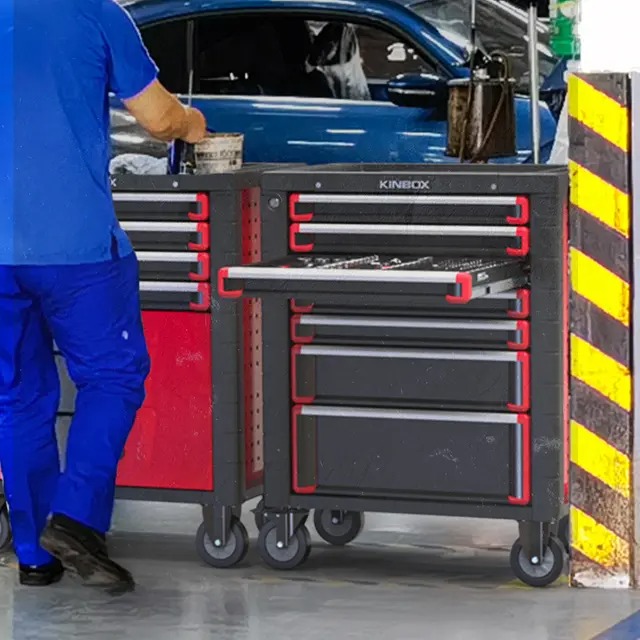
Versatility is what keeps organization alive after the first cleanup
It gives every category a real home
It works better in shared spaces
Versatility protects space efficiency
It makes vertical space genuinely useful
Versatility supports safer storage habits
It helps keep heavy items where they belong
Versatility extends the life of the cabinet as an investment
It prevents the “we outgrew it too soon” problem
Why non-versatile tool cabinets usually disappoint
The core value is adaptability with control
Conclusion
FAQ
1. What does versatility mean in a tool cabinet?
2. Why is versatility more important than size alone?
3. Does a versatile tool cabinet improve workplace efficiency?
4. Can versatility also improve safety?
5. Is a versatile tool cabinet worth the investment for a growing workshop?



