
 English

Views: 0 Author: Site Editor Publish Time: 2025-12-03 Origin: Site


The best depth for garage cabinets usually falls between 18 and 24 inches. That range covers most storage needs without using too much floor space. Still, you should match cabinet depth to the actual things you plan to keep. Think about how you move in the garage, how often you reach for things, and whether doors or tools will get in the way. Before you buy a Garage Storage Cabinet, ask yourself: what do I need to store, and how easy should it be to reach? Do this, and your garage will feel less like a mess and more like a system that actually works for you.
When you look for garage storage, you’ll see a few terms used a lot: garage storage cabinet, garage storage system, and garage storage unit. Each one usually comes in certain depths and has clear advantages.
A garage storage cabinet is a single enclosed unit with doors. Most come in 12, 18, or 24 inches deep. The 12-inch option is handy in tight spots and for small items (spray cans, small hand tools). The 18-inch depth is a good middle ground — roomy enough for power tools and medium bins, yet not too deep to lose things in the back. The 24-inch depth is best for big bins, bulky sports gear, or yard tools. If you’re unsure, picture the item and the cabinet — if the item would need to be turned to fit, go deeper.
This is a customizable set: cabinets, shelves, and sometimes drawers that work together. Depths vary by module. Tall floor cabinets commonly use 18 or 24 inches. Wall-mounted cabinets are often shallower — around 12 inches — so they don’t interfere with doors or car mirrors.
This term often means a larger, freestanding piece that mixes cabinets, shelves, and a work surface. These units usually come in 18 or 24 inches depth and are handy when you want a one-stop area for large tools and bins.
Quick tip: measure door swing and car clearance before you commit. It’s a small step that saves a lot of headache later.
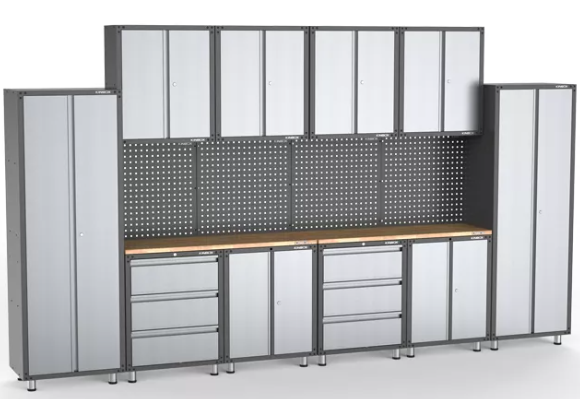
| Product Type | Typical Depths (inches) | Best Uses |
|---|---|---|
| Garage Storage Cabinet | 12, 18, 24 | Tools, supplies, sports gear |
| Garage Storage System | 12, 18, 24 | Mixed storage, custom organization |
| Garage Storage Unit | 18, 24 | Large items, bins, garden tools |
(Yes, the table repeats a bit — that’s okay; repetition helps you remember.)
Most people pick 18 or 24 inches for floor cabinets. Why? Because these depths let you store power tools, paint cans, and larger bins without crowding the room. If most of what you own is small hand tools, a 12-inch cabinet might be enough and will save space. But if you’re storing things like football gear, big plastic tubs, or a shop vacuum, 24 inches gives you breathing room.
You might mix depths — that actually works best. Put 12-inch wall cabinets for small, often-used items and 24-inch floor cabinets for big stuff. This mix keeps the everyday items easy to grab and the bulky stuff tucked away. (You’ll thank yourself later when you’re not digging through a huge cabinet for a single socket.)
Rule of thumb: if you can’t picture how you’d store an item on a shelf, measure the item first.
Measure length, width, and height. Note windows, doors, and any obstructions such as a water heater or step. Write the numbers down and sketch it — tape on the floor works great to mark where a cabinet would sit. If you skip this, you risk buying cabinets that look great online but won’t fit where you want them.
Practical step: measure twice. Seriously — measure twice.
Make a short list: tools, bins, sports gear, seasonal items. Note sizes and weights. Big bins need depth and strong shelves. Paint and chemicals need secure storage. If most items are small, keep them in shallower cabinets so you don’t waste space.
Adjustable shelves give you flexibility as your needs change. Hooks, bins, and drawer inserts make small items easy to find. If you can add or move shelves, you’ll adapt the storage when new tools or hobbies arrive.
Metal cabinets are strong and hold heavy items well. Wood looks nice but can be affected by moisture unless treated. Plastic resists dampness but might sag under heavy loads. Check each cabinet’s weight capacity — a cabinet that can’t hold your tools is pointless.
Set a budget and compare features, not only price. Sometimes spending a little more buys better materials and longer-lasting hardware. Think about installation: some cabinets are easy DIY; others are heavy and need professionals or a helping hand.
Choosing shallow vs. deep cabinets is a common decision. Here’s a clear-hearted look at both.
Pros: You see everything at eye level; they save floor space; good for small tools and spray cans.
Cons: Limited room for big items; less flexible for varied storage.
Pros: Hold large items and bins; more versatile for a workshop-style setup.
Cons: Harder to reach the back; take more floor space and can hide small items.
Tip: Use a combination — shallow near doors and deep where you have long walls.
Accessibility is as important as capacity. If you can’t reach things easily, you’ll stop using the cabinet properly. Place frequently used items at waist height for the easiest access. Reserve higher shelves for light, seldom-used items. Heavy items belong on lower shelves to avoid lifting strain.
Space efficiency also depends on your garage layout. Shallow cabinets are good near entrances or car doors. Deep cabinets belong along long, uninterrupted walls. Avoid placing cabinets where they block walkways or the path to a utility panel.
Simple guideline: keep at least 36 inches of clear space in front of your cabinets so doors and drawers can open and so you can move comfortably.
Clear the area. Move cars and big stuff away from the wall you’ll use.
Measure wall length and ceiling height. Record the numbers.
Check floor space and obstacles (heaters, stairs). Note distances.
Mark doorways and windows on your plan. Cabinets should not block access.
Think cabinet depth. Use your measurements to model whether 18 or 24 inches will work.
Sketch it out. A quick floor plan with taped outlines on the floor helps you see whether doors will swing or cars will fit.
Clearance matters for safety and everyday use.
Vehicle clearance: Park the car and measure the space from the wall. Can you open doors?
Door and drawer clearance: Imagine or trace the cabinet door swing. Leave room for drawers to open fully.
Walkway space: Don’t create tight choke points. Leave comfortable walking space.
Double-check everything before you buy. An extra inch or two often makes the difference between a usable garage and a frustrating one.
Plan before you install. Put frequently used tools in shallow cabinets near the entrance. Use tall cabinets for seasonal or rarely used items. Employ hooks, bins, and labels to keep small items organized and visible. Group similar things together so you’re not hunting for that one wrench when you need it.
Always secure cabinets to wall studs to prevent tipping. Follow manufacturer instructions and check the weight rating for each shelf. Don’t overload shelves — that’s a common mistake. If you’re not confident, get help or hire a pro. A stable cabinet keeps your tools safe and reduces risk of injury.
Safety checklist: secure to studs; check weight limits; leave clearance; test stability.
The best depth for most garage cabinets is usually 18 to 24 inches. That range gives you enough room for tools, bins, and gear while avoiding clutter that blocks your car or your movement. But the right choice depends on what you own and how your garage is laid out. Measure carefully, plan for clearance, and mix shallow and deep cabinets where it makes sense. Choose durable materials for heavy use and consider adjustable shelves so the storage grows with you. Do that, and your garage will stop being a storage problem and start being a tool that helps you get things done.
What is the most popular depth for a Garage Storage Cabinet?
Most people pick 18- or 24-inch depths because they are flexible and fit many common items.
How do I know if a Garage Storage System will fit my space?
Measure wall and floor space, note height and obstructions, and sketch a simple layout. Mark door swings and car clearance.
Are deep Garage Storage Units harder to organize?
They can be, unless you use bins, labels, and adjustable shelves. Mixing shallow and deep units usually works best.
Can I install a Garage Storage Cabinet myself?
Many are DIY-friendly. Secure them to studs and get help for heavy pieces. Follow instructions carefully.
What materials last longest for Garage Storage Systems?
Metal tends to last longest for heavy-duty use. Plastic resists moisture but can sag, and wood needs more care.



