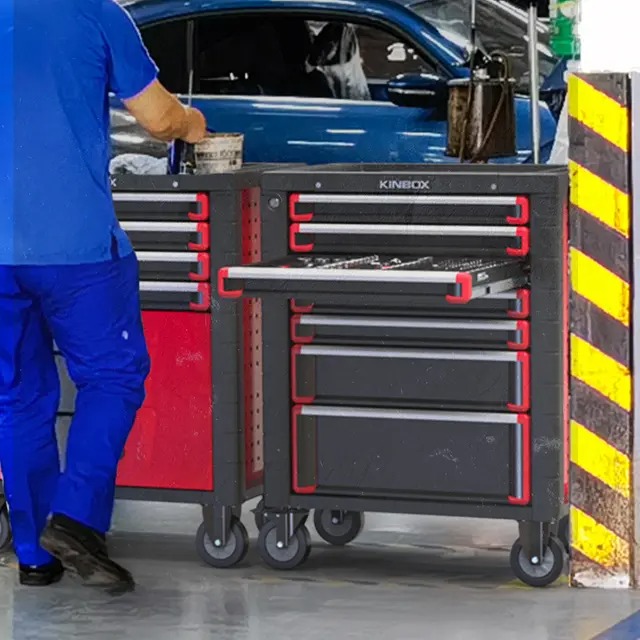
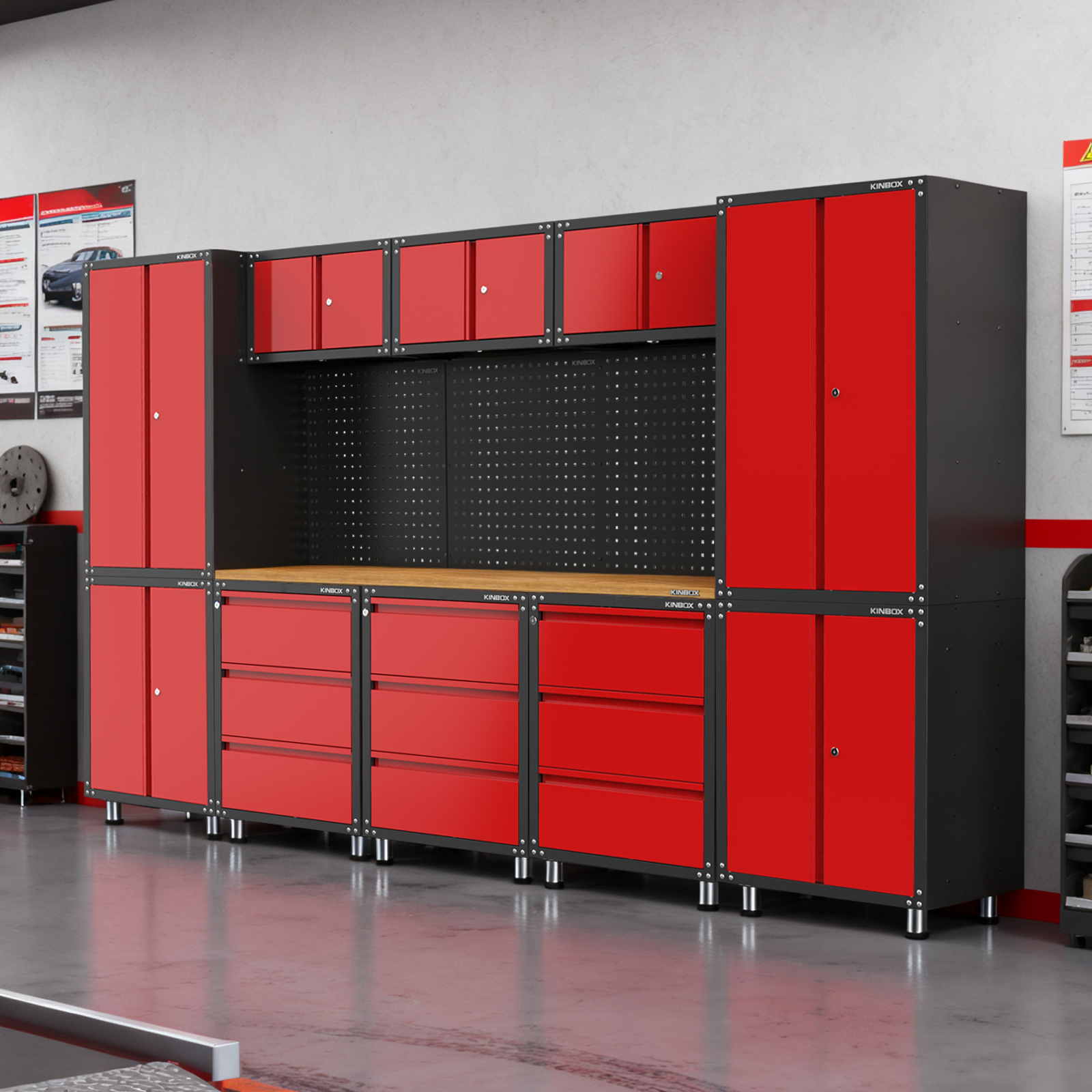
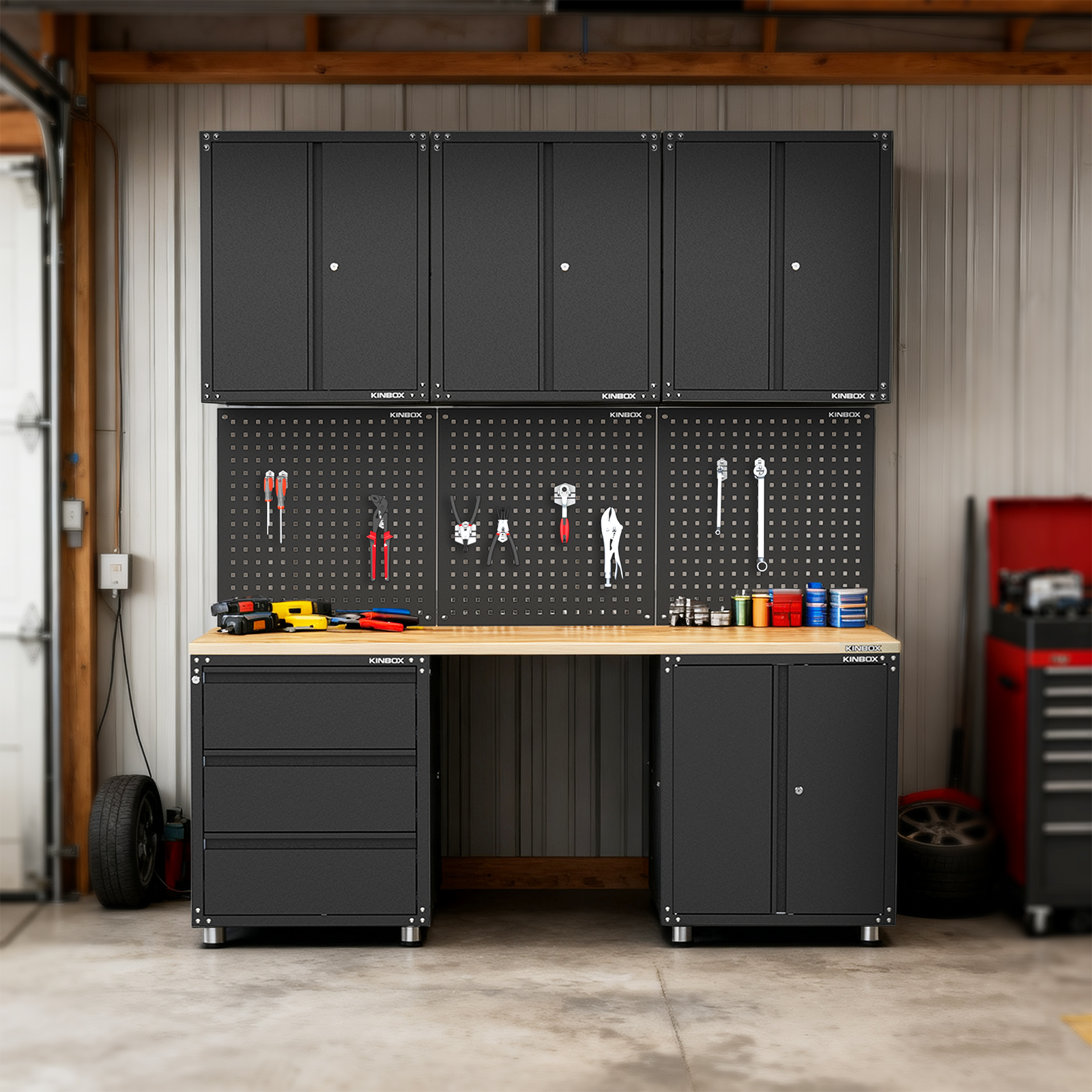
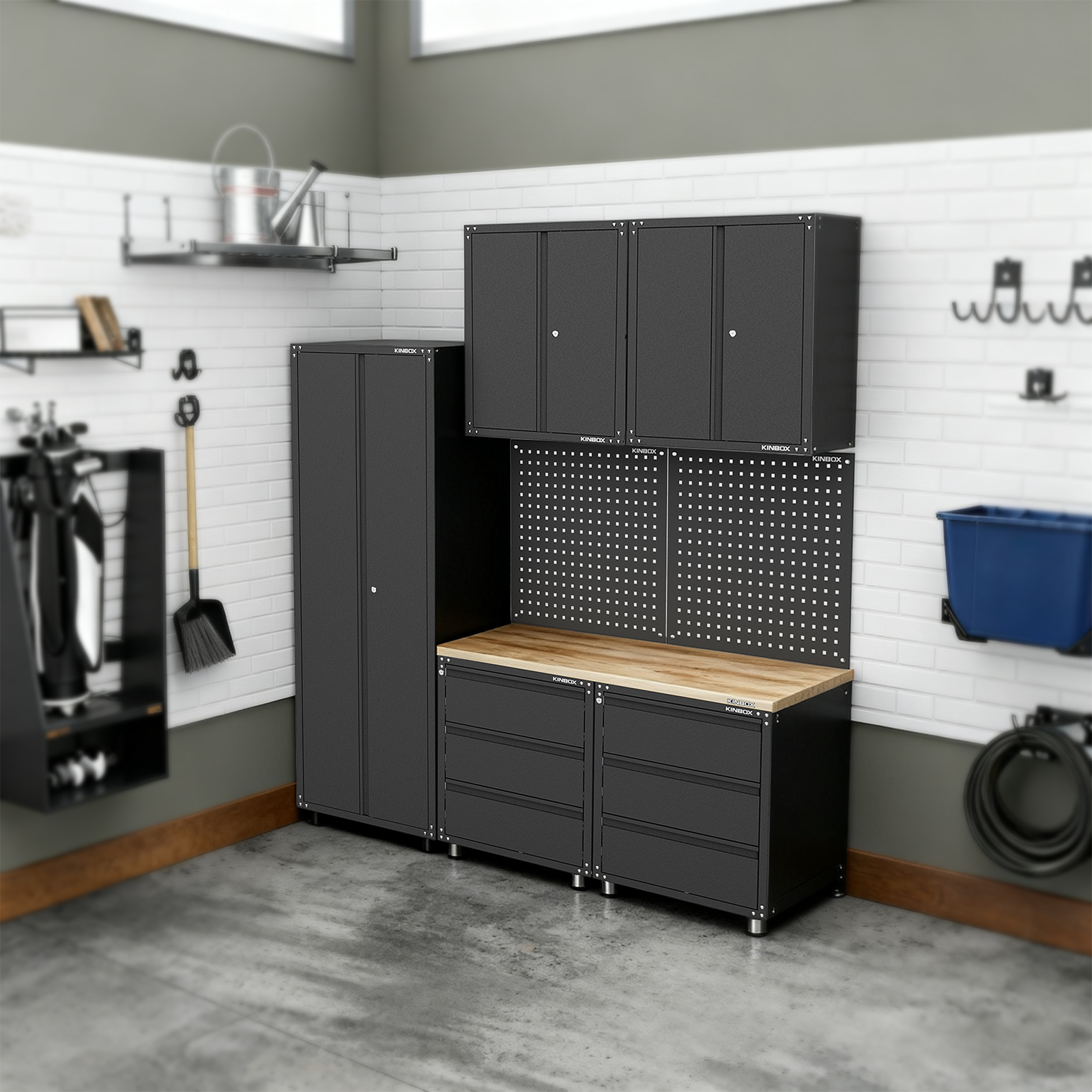
A mechanic does not judge a tool cabinet the way a catalog does.The catalog looks at the number of drawers, the color, the cabinet size, and maybe the caster diameter. A mechanic looks at something else:
A tool cabinet often looks better before anyone starts using it.In a sample photo, the drawers sit neatly. The red, black, or grey finish looks clean. The wheels are polished. The worktop, if there is one, gives the product a solid workshop look.
A tool cabinet can look solid in a showroom and still disappoint the first week it enters a real workshop.The paint may look clean. The drawers may line up nicely. The wheels may roll well enough when the cabinet is empty.
A garage can look organized after one cabinet is installed. That does not always mean the garage is actually easier to use.This is where many buyers get stuck. They add a cabinet near the wall, then another cabinet beside it, then maybe a small tool chest, a workbench, a tall unit,
A heavy-duty tool cabinet usually looks simple from the outside. Several drawers, a steel body, a lock, maybe a worktop, maybe wheels. On a product page, most cabinets can appear similar enough that price becomes the first thing people compare.
Humidity is one of the biggest enemies of metal storage equipment. In coastal cities, tropical regions, and even garages exposed to seasonal moisture, rust can quietly damage metal surfaces long before owners notice the first orange stains.
Restoration workshops are different from ordinary garages. Whether the focus is classic cars, motorcycles, vintage machinery, or custom fabrication, a restoration space has to do much more than simply hold tools and equipment. It needs to support precision work, organization, efficiency, and long-te

 English