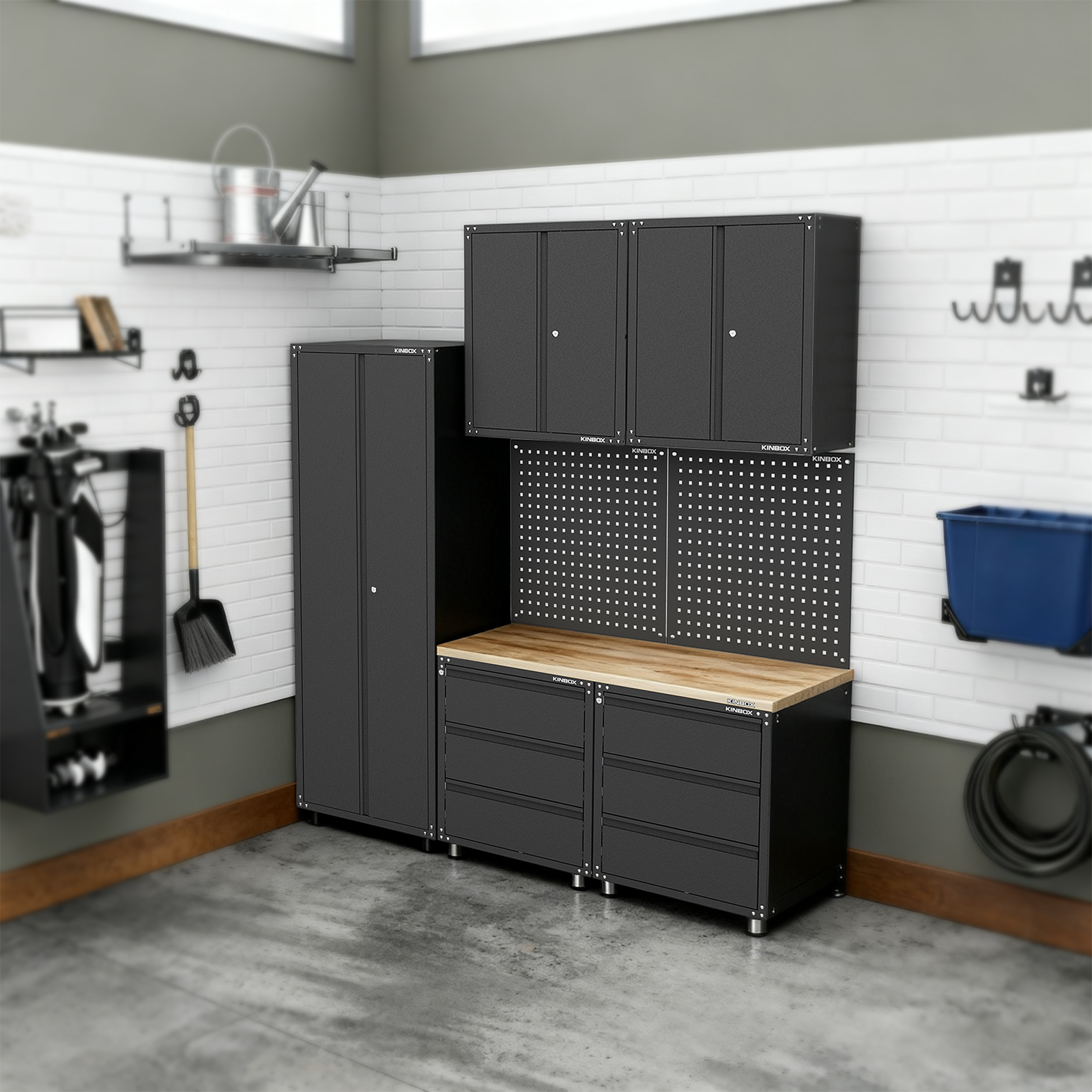
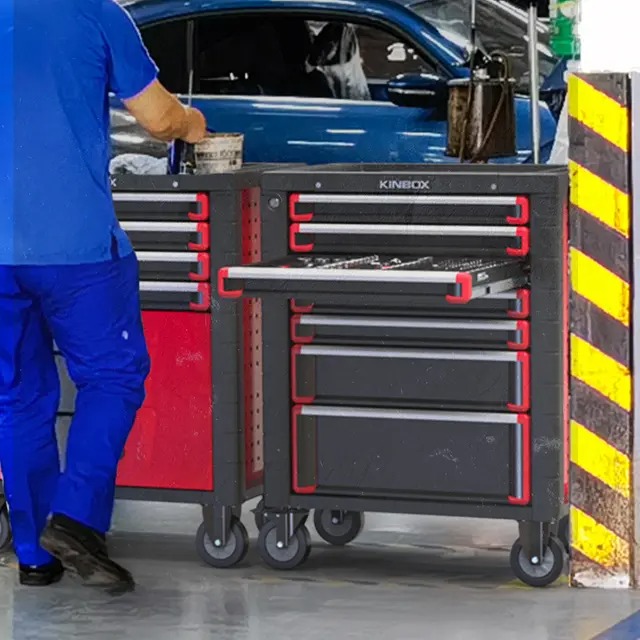
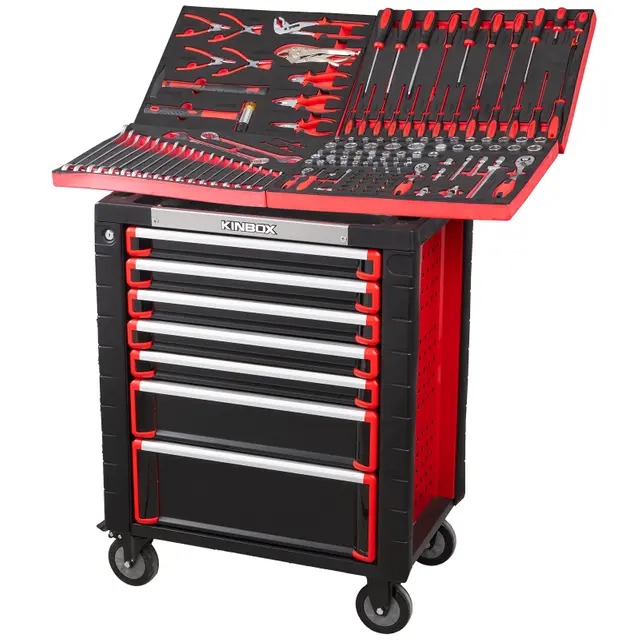
A well-designed garage is no longer just a place to park a car or store a few tools. For many homeowners, mechanics, workshop operators, and even hobbyists, the garage has become a multifunctional space that needs to support storage, productivity, efficiency, and aesthetics all at once.
In the world of high-volume manufacturing and assembly operations, downtime is the ultimate enemy. Every single second an automated assembly line or a manual production station grinds to a halt, profit margins shrink.
Walk into any high-precision metalworking facility or heavy manufacturing plant, and you will instantly hear the hum of CNC machining centers cutting through solid steel and titanium. These multi-million dollar machines are the lifeblood of modern production lines,
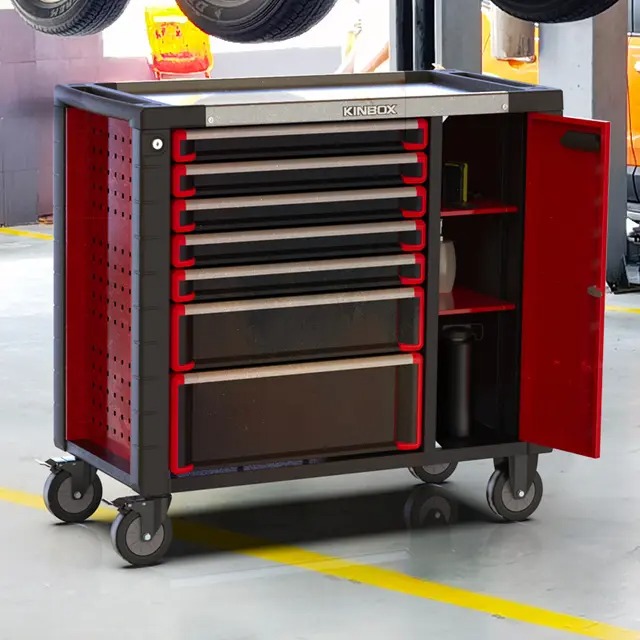
When you are running a high-volume automotive repair shop, the pace of the daily grind is relentless. Vehicles roll in and out of the service bays, flat-rate hours dictate your profit margins, and your technicians are constantly pushing their gear to the absolute limit. In this kind of high-pressure
When you manage a commercial truck repair shop, you are dealing with an entirely different beast compared to a standard passenger car garage. Everything in a heavy-duty fleet facility is magnified: the scale of the vehicles, the size of the components, the torque requirements, and, most notably,

 English